Physician Skills Enrichment
“Occupational therapy supports people of all ages in doing the everyday activities that matter — at home, at school, at work, and in the community,” notes the Society of Alberta Occupational Therapists.
In this issue, we examine the journey of a rural OT and how she arrived in Slave Lake.
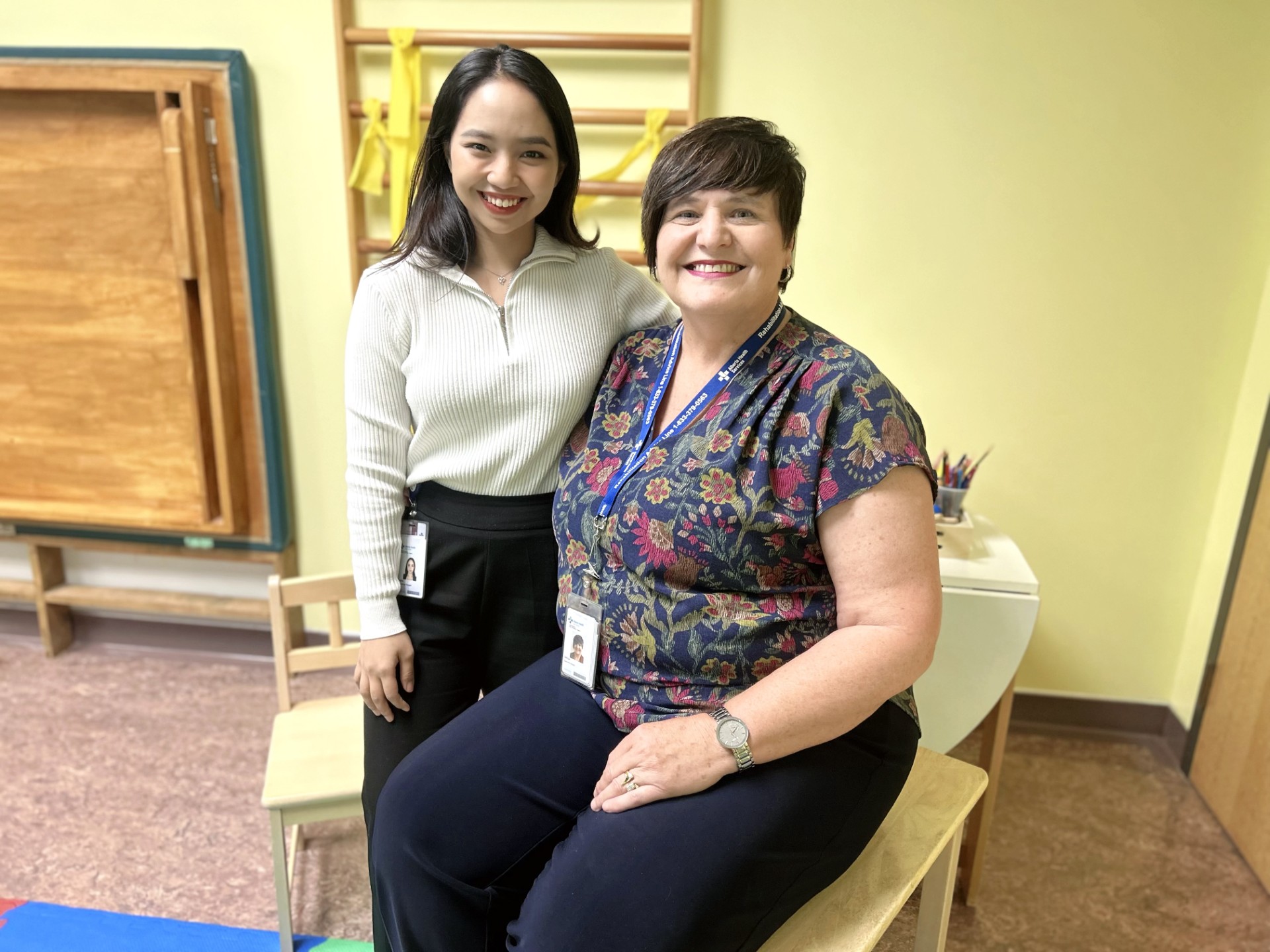
A northern Alberta community has wrapped itself around a new couple in town, fully understanding its support may encourage the occupational therapist (OT) to feel welcome and continue to call the area home.
When OT Pimtida Alberts and her husband, Marcus, arrived from Thailand on one of the coldest days last January, Dalique van der Nest was there to welcome them with a warm toque and a ride from Edmonton International Airport to Slave Lake.
Van der Nest, executive director, Allied Health & Volunteer Resources, NW Corridor for Alberta Health Services, knew full well this gesture would be an important part of the Alberts’ integration into Canadian life, having never stepped foot in the country.
Twenty-seven years ago, Dalique herself also arrived in Slave Lake with her husband Johan and their three-year-old child after moving from South Africa. They were tasked with setting up the first OT positions in the area.
“We were drawn in by the personal touch by two very friendly leaders who became my mentors here for 20 years,” recalls van der Nest. “I truly believe that connections to team members, friends, and the community are essential.
“I know that immigrants do not want to be uprooted again. Immigrants are very brave. They pack up their whole lives, put them in a suitcase, and move to another country. When they get there, if they are taken care of well, they put their roots very deep, because they are not going to pack up and go somewhere else.”
Van der Nest was struck by the new couple’s impression of Alberta’s clean air as they headed to their new home.
“The air quality, it’s something that money cannot buy,” says Pimtida. Six years ago, the couple began researching countries around the world where they could escape wearing a face mask everyday as was necessary in Thailand to protect their health.
Pimtida initially struggled to receive any responses when she applied for jobs in Canada, but Marcus, a South African, eventually made a chance social media connection with van der Nest. It was then that van der Nest helped Pimtida navigate the challenging hiring and immigration process. Instead of applying to urban positions, van der Nest suggested she consider rural.
Van der Nest kept the lines of communication open with the Alberts, sending information such as RHPAP’s Rural Community Profiles.
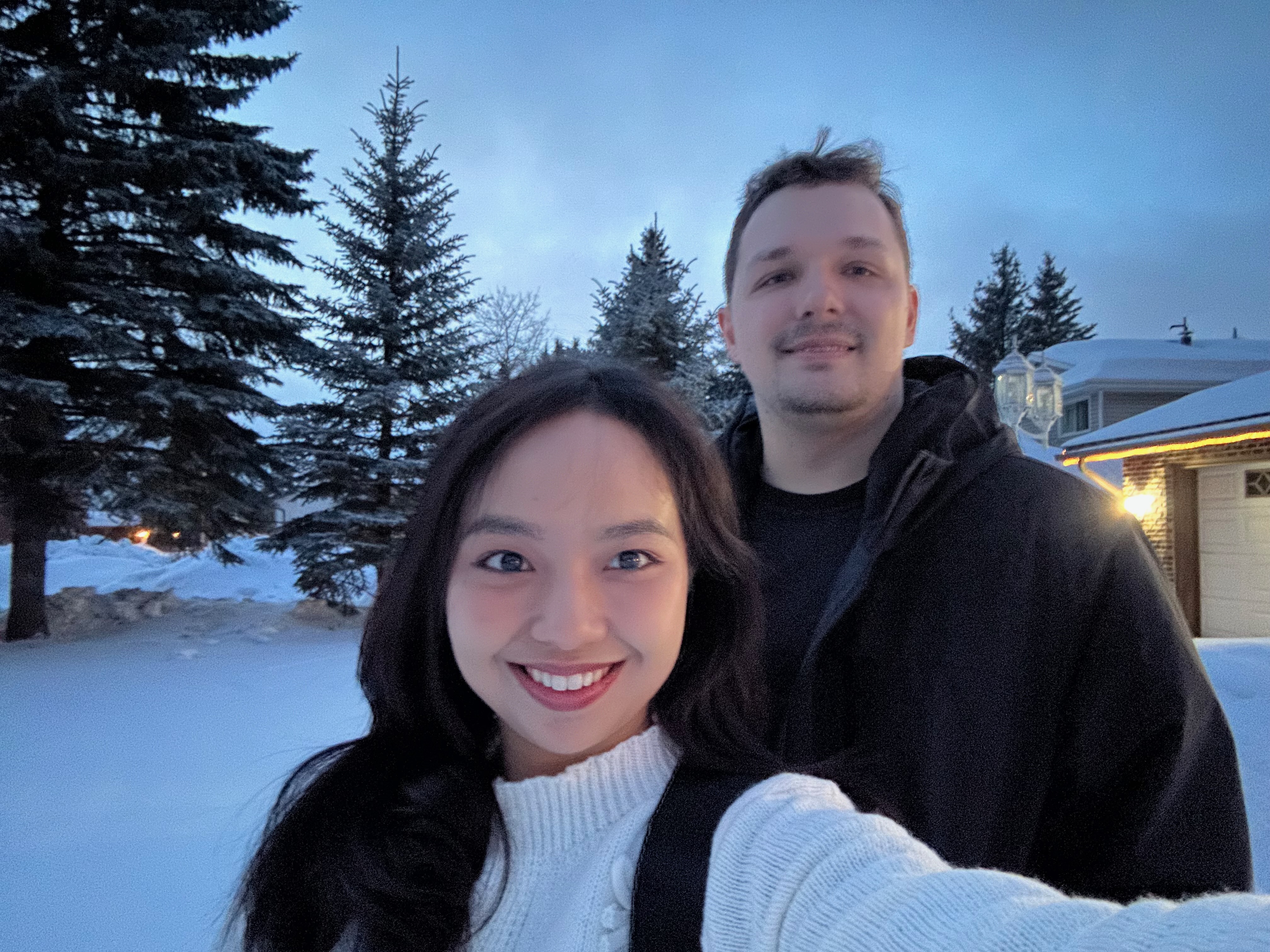
Fortuitously, Slave Lake had an opening for an OT that they had been trying to fill with a permanent employee for 10 years. Van der Nest knew firsthand the community would be an invaluable support to an international health professional.
After jumping through immigration, insurance, and educational hoops, the Alberts finally left Bangkok for Canada.
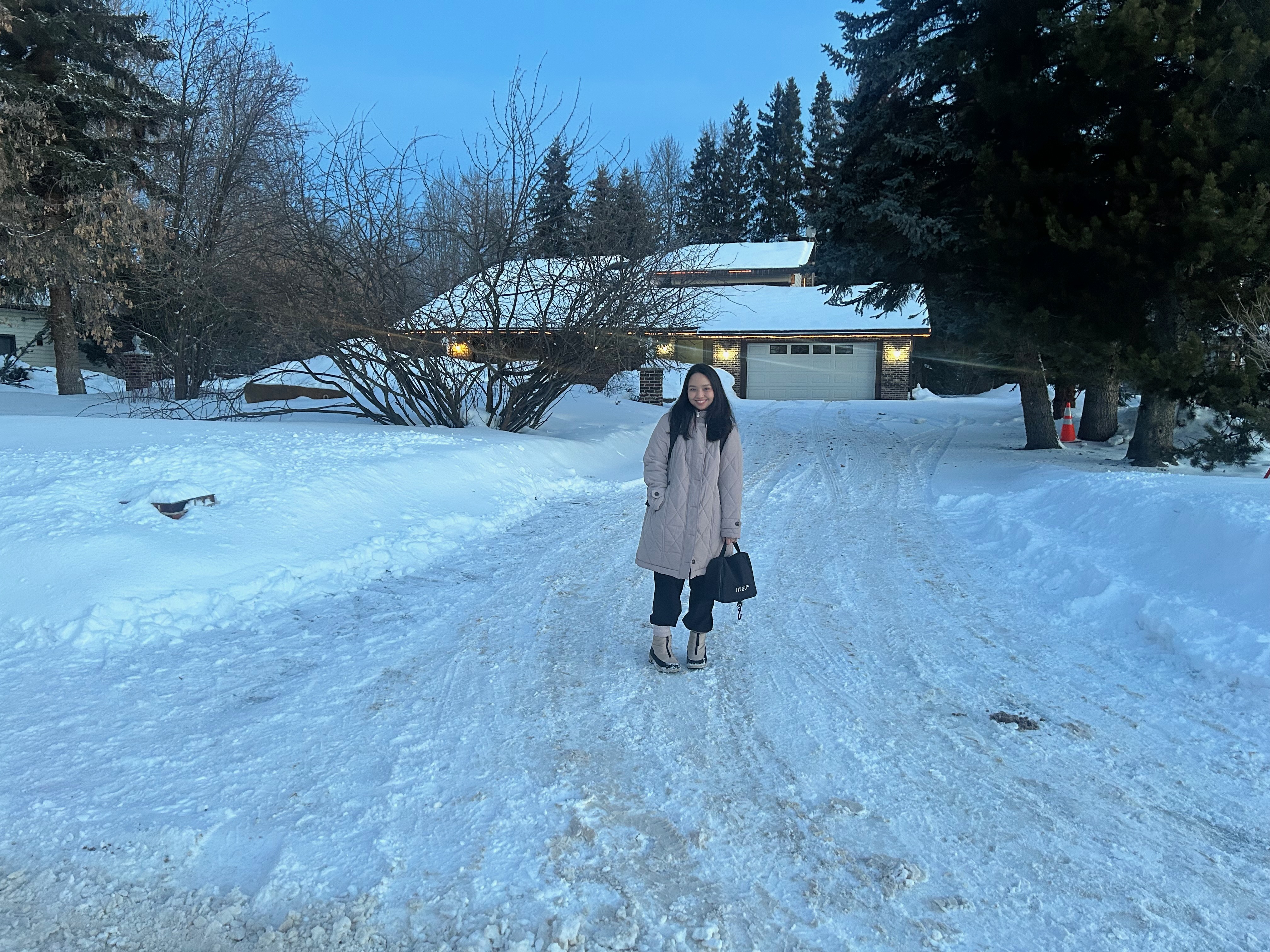
It was a chilly start, however.
“I could not believe that the world can be that cold because I came from plus 35 degrees (Celsius) when I took off in Thailand and landed with -27 C here.
“It’s been a long journey but I’m grateful that I finally made it here,” says Pimtida, saying they nearly cried when they saw van der Nest’s red car pull up at the airport.
That welcoming gesture was just the first of many. The Alberts have settled into their new home and unlike in Thailand, they know their neighbours and appreciate the quiet, peaceful town which is calmingly dark at night.
“I think a small community is nice and welcoming; they kind of put their arms around you and guide you,” says Pimtida.
“Dalique has been very helpful. I cannot imagine coming here without her. She knows exactly what a newcomer needs, and that makes my life much easier."
“I was very fortunate that people around me have been helping me. They didn’t abandon me at all."
Van der Nest feels like a proud mother recalling the parallels to her own life and wondering what the Alberts’ future holds.
“It’s so interesting. We were the recruits. We were mentored. We became the leaders, and now we can pay it forward.”
Welcoming a new health professional in a rural community can mean different things depending on a person’s background. For some internationally trained health professionals, it’s not only learning the role in Canada, but also how to adapt to life in a new country.
Dalique van der Nest, an executive director with Allied Health & Volunteer Resources, NW Corridor for Alberta Health Services, immigrated to Canada and the community of Slave Lake in 1999 to work as an occupational therapist.
Formerly from South Africa, she knows what it’s like to face the steep learning curve of living in an unfamiliar country and many routine things Albertans often take for granted.
Here are a few ways to offer support for newcomers from van der Nest and RHPAP’s AIR Toolkit: