.jpeg)
Featured
Dr. Gavin Parker to leave RHPAP role after decades of involvement
Twenty-six years after first experiencing the charm and excitement of rural medicine through Rural Health Professions Action Plan (RHPAP) as a medical learner, board chair Dr. Gavin Parker is stepping down.
After 13 years on the board of directors, including serving as chair, Dr. Parker will conclude his tenure in July.
“There comes a time when you need to create those spaces for future leaders to develop their skills,” he says. “I’m getting closer and closer to retirement, so it’s a good time to let some of those younger, eager people take over.”
Born and raised in Winnipeg, Dr. Parker never envisioned a career in rural medicine. Drawn to neuroscience, he initially planned to become a neurosurgeon. The appeal of “neat and tidy” surgeries attracted him, but as he learned more about the demands of that practice and the limited personal time it often entailed, his perspective shifted.
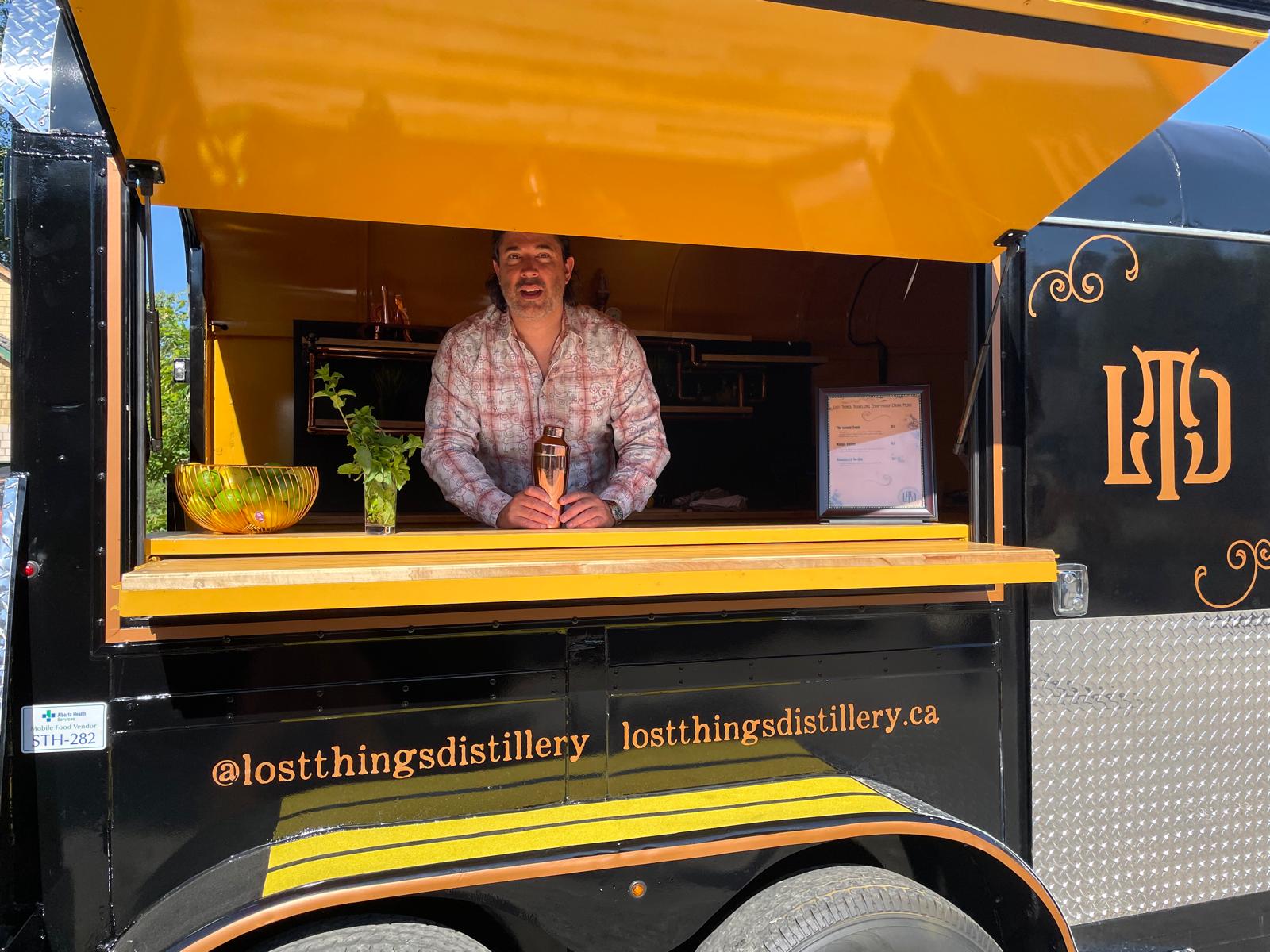
A turning point came during his second year of medical school when he attended an RHPAP student information event in Hinton and Jasper. While the promise of free skiing caught his attention, it was something else that left a lasting impression.
"Honestly, it was how happy the rural physicians were,” says Dr. Parker in recalling the influence the event had on his future.
“RHPAP events tend to be very well organized. We were well fed, well cared for, felt valued and they hooked you in,” Dr. Parker recalls. “It wasn’t a bad move on RHPAP’s part.”
As a medical learner, he stayed in RHPAP accommodations during clerkships and rotations across Alberta, where he met influential rural physicians who helped shape his career path. In 2006, he established his practice in Pincher Creek and later received funding for an anesthesia fellowship, including training through RHPAP’s Physician Skills Enrichment Program.
Recognizing the impact RHPAP had on his own journey, Dr. Parker eventually joined the board.
“I know what difference it made for me and that was always my goal to try to find those students who are at a susceptible stage of their decision making.
“That was probably the overwhelming reason why I wanted to serve on the board. I felt that RHPAP had provided me so many advantages.”
Throughout his time on the board, Dr. Parker brought both personal experience and enthusiasm to the organization. His leadership extended beyond RHPAP as he became a clinical educator and later served as president of the Society of Rural Physicians of Canada.
Among the accomplishments he is most proud of is RHPAP’s evolution from an organization focused primarily on physicians to one supporting a broader range of health professionals, including nurses and allied health workers.
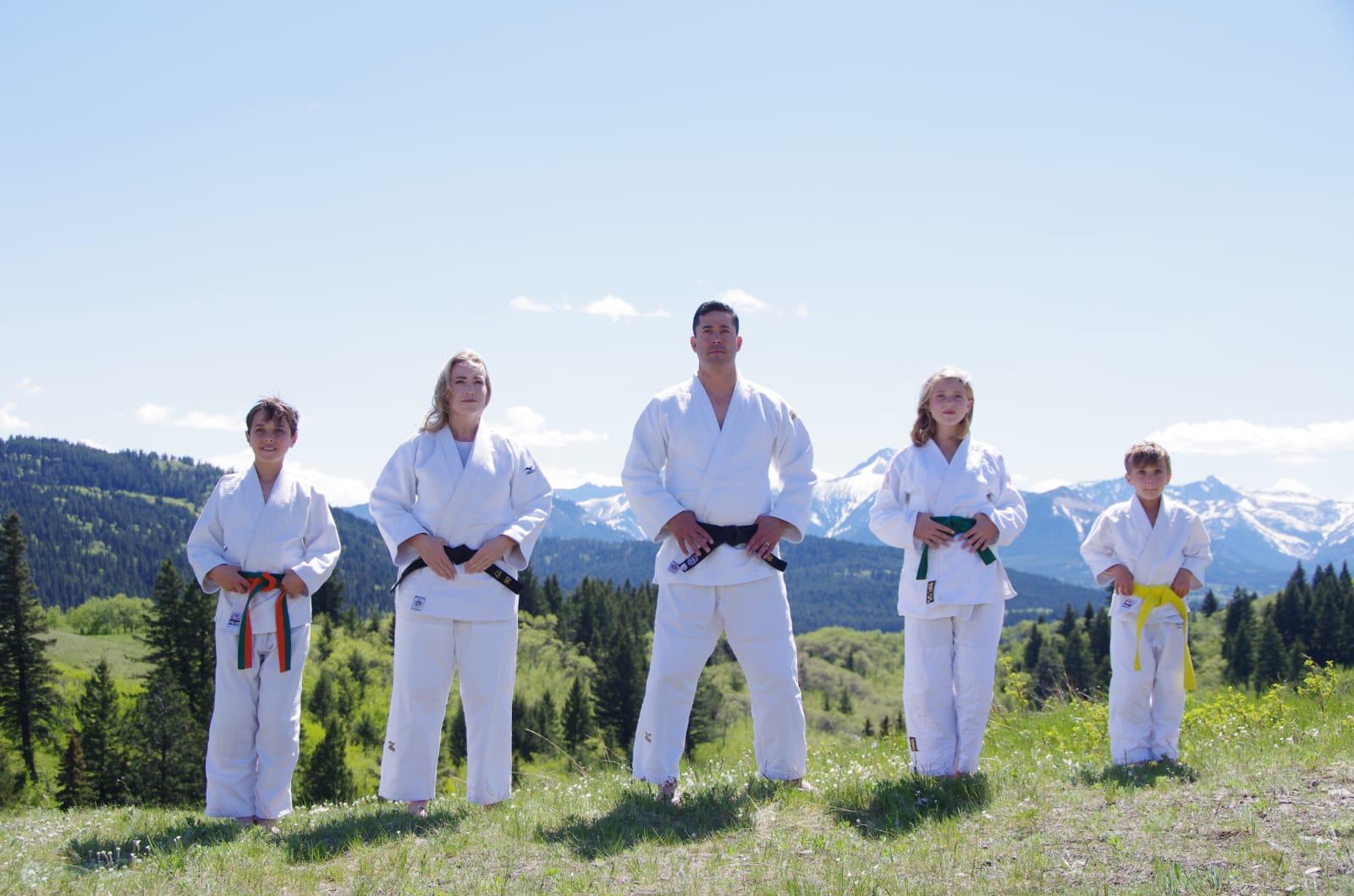
One example is the Bursary for Internationally Educated Nurses program. Through the program, RHPAP administers funding that helps internationally educated nurses complete the training required to practise as licensed practical nurses or registered nurses. In return, recipients commit to working in rural Alberta for a period of time.
Dr. Parker notes that Alberta remains unique in having an organization dedicated to rural attraction and retention across such a broad spectrum of health professions.
“We do a lot of things well when it comes to housing, awards, high school shadowing, medical student shadowing, and things like that. But we’re just so limited financially in our expansion. We could easily triple our activities and run, for example, 18 high school Let’s Go Rural! High School Events across the province, and fund many more students on return of service.”
Although Dr. Parker considers himself an outlier as someone who discovered a passion for rural medicine despite growing up in a city, he acknowledges that students from rural backgrounds are more likely to choose rural practice and should continue to be supported.
At the same time, he believes recruiting urban students remains essential. With approximately 90 per cent of university students identifying as urban residents, engaging that group is critical to addressing rural healthcare needs.
“We need to convert some city kids … that must be a big part of our strategy. That must be part of our plan: How do we take kids like me … and show them what kind of a fun rural career this is?”
Medical school experiences further reinforced his decision to pursue rural practice. He realized that specializing in an urban centre would mean narrowing the scope of his work, while rural medicine would allow him to maintain a broad and varied practice.
“Every rotation that I went through in medical school, I was like, ‘oh, I don’t want to say that’s the last time that I delivered a baby, stitched somebody up in emerg, or helped someone manage their diabetes in the clinic,” he says. “All those things were appealing to me.”
Instead, the rural generalist path allowed him to continue doing all those things while adding new skills and training throughout his career.
“It didn’t come at the expense of something else. For years here I have been doing emerg, in-patient, clinic…. But I didn’t have to stop doing any of the other stuff.”
Although he is stepping away from board leadership, Dr. Parker says his commitment to rural recruitment remains unchanged.
“I’ll always take shadow students from RHPAP and do Let’s Go Rural! High School Events. I’m always happy to volunteer for that.”