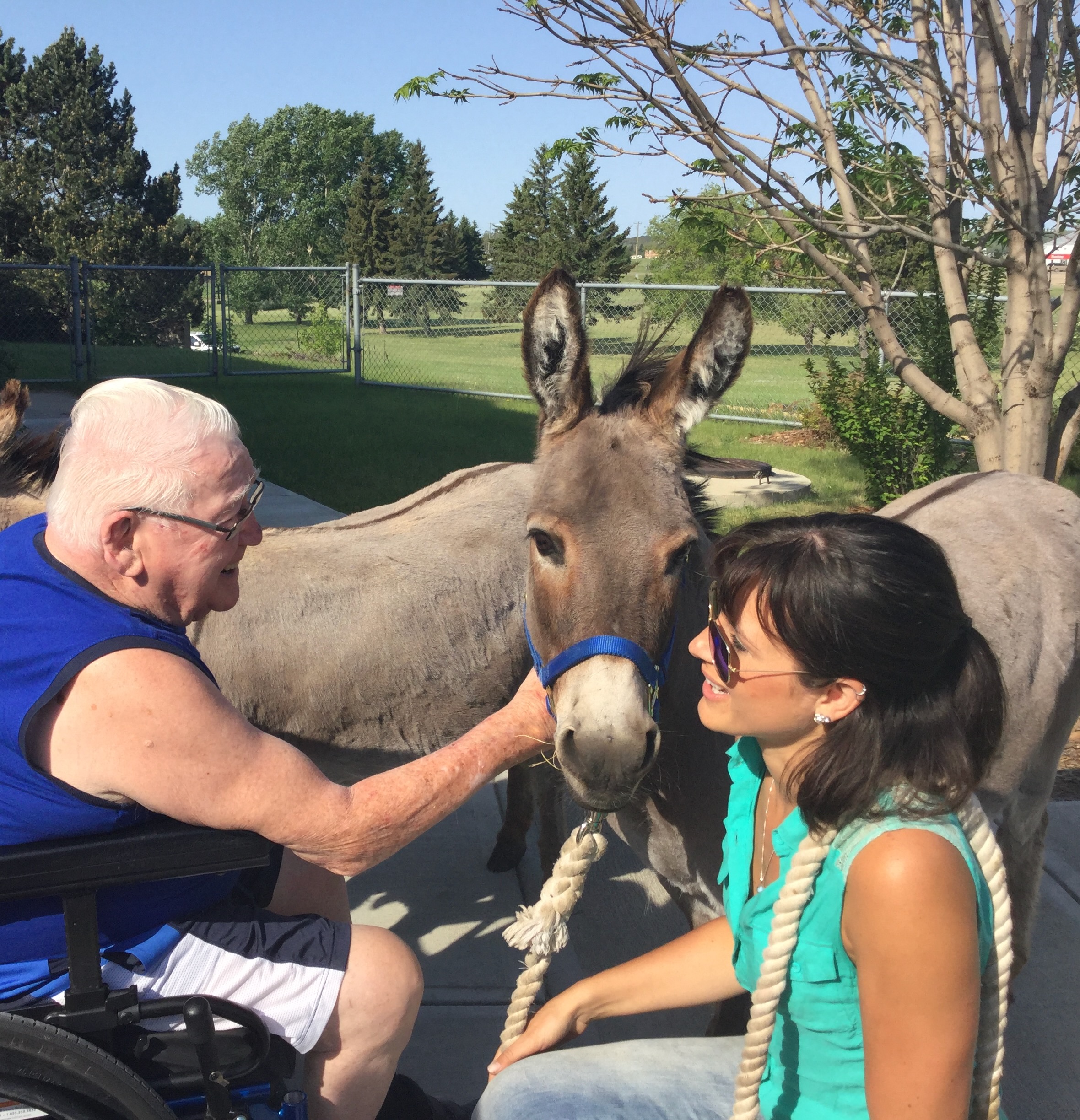
.jpeg)
Featured
RHPAP consultant returns to rural roots after travelling the world
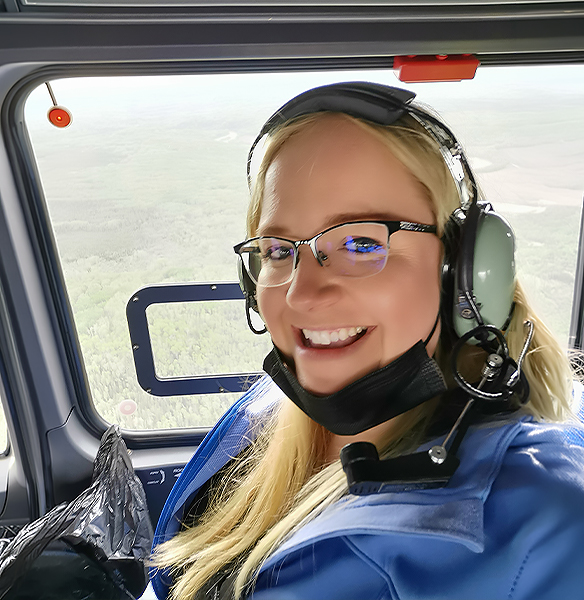
— Photo supplied by Anya Langkow
Amazing people work with RHPAP throughout Alberta. In this feature, Anya Langkow, a community consultant with the Community Development and Engagement (CD&E) Team, chats with RHPAP freelance writer Lorena Franchuk.
LF: How long have you lived in rural Alberta?
AL: I’m rural right from birth, with time on and time off. I was born in Two Hills and grew up on our family farm, where my parents still live, between Two Hills and Vegreville. After moving to Edmonton to finish high school and go to college, I started moving with my then boyfriend/fiancé who played hockey. We lived all over the United States and in Europe for 18 seasons. During the off-season, we spent the summers back in Vegreville and moved back there 12-13 years ago.
We are now based in Fort Saskatchewan for my husband’s oil and gas job.
LF: How long have you been an RHPAP consultant?
AL: I started with RHPAP in December 2022.
LF: Why were you interested in becoming a rural consultant? Is the role what you expected?
AL: When I read the job posting, it was like the role was created for the skill set that I had professionally, my lived experiences, and my interests. It combined my rural roots and understanding of community engagement and development with the integration of individuals into communities and the importance of meaningful connection, collaboration, and shared purpose.
LF: What area and communities do you represent as a rural consultant?
AL: I support the East Central Zone that runs from Hwy 2 to the Saskatchewan border. The top of my region is Two Hills, and I go all the way south to Drumheller and Oyen. Within this region, there are a lot of communities including Wainwright, Hardisty, Lamont, Tofield, Stettler, Vegreville, Vermilion, and more.
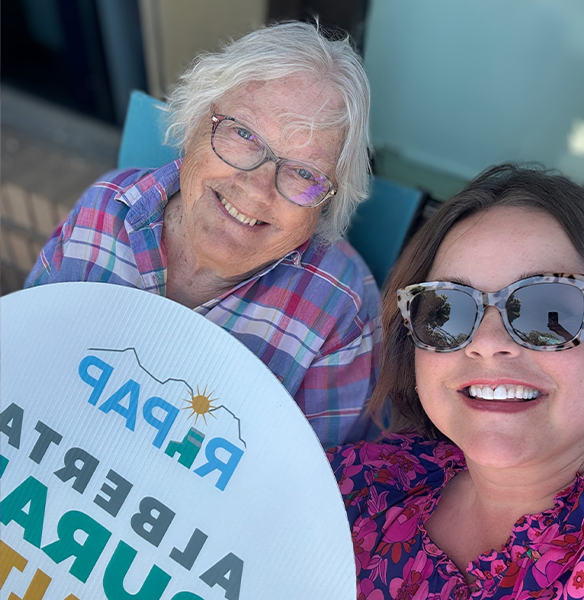
— Photo supplied by Anya Langkow
LF: What does a rural consultant do?
AL: A big portion of our portfolio supports the attraction, integration, and retention committees in our region. For each committee and community this support looks different. Consultants are a conduit of information between RHPAP and the different community stakeholders that we work with, such as the committee and healthcare site managers. We connect committees to different community ambassadors to support welcoming and integration for new physicians, health providers, and medical learners. We support local high school days and weekend post-secondary events when we bring students out to show them what living and working rural could look like. During Alberta Rural Health Week, I enjoy supporting the different regional initiatives including barbecues, gift basket presentations, and a memorable mental health summit in Flagstaff County that was held for healthcare providers. We are now facilitating road mapping sessions for committees to support developing a strategic plan and establishing a plan so that there is a solid foundation to ensure longevity.
LF: Tell me about your rural connections and how they help with your RHPAP role?
AL: To fully understand rural, it helps if you have lived rural. It adds a level of trust when I’m at the table, because I’m there working with the committee members versus talking to them. We face different circumstances than urban, and everybody is there to lend a helping hand. A great example is when I was in Hardisty supporting the development of their new committee. I had a low tire on the ride out. It was bitterly cold and dark, and luckily for me, the retired fire chief was at the table. After the meeting, we popped over to the fire hall where he was able to open the door, fill up my tire and I could get home safely.
LF: What is your favourite part of the job?
AL: Hands down it is the connection with the incredible people that I meet in the small communities sitting at the tables that we are privileged to join. They are the true champions, the ambassadors, and are so eager to share all the great things about where they live. It’s inspiring and invigorating. I have lived experience being the accompanying spouse moving to a country for my husband’s work, where we didn’t speak the language and we didn’t have family or friend support. I resonate with the incoming (especially international) health professionals looking to find that sense of belonging, a community, and have their basic needs met in terms of ‘how do I get a bank account started? Where should I buy my groceries?’
LF: What is your biggest accomplishment?
AL: I came in to fill some big shoes in terms of history and relationships. I’m proud that I’ve been able to maintain those relationships, to open new doors, and foster new committees in a region that’s already populated and saturated with RHPAP work.
The relationship building is something I am most proud of.
LF: Is there something in particular that you are focusing on right now?
AL: I’m excited about our upcoming regional summits. This will be the first annual East Central Regional Summit to bring together all the neighbours within my region.
It’s a large region, so it will be a great opportunity to connect communities that may not necessarily be connected in other ways.
LF: Why is rural healthcare important to you?
AL: Growing up in rural Alberta, I’ve experienced firsthand how healthcare directly affects our families and friends and communities. Rural and remote access to care isn’t guaranteed, and long drives, limited services, and emergency room closures create real uncertainty. Having access to care from active hospitals and clinics helps keep families rooted in rural, supports the local economy, and ensures that seniors can age in dignity close to home. Supporting rural healthcare means advocating for equity, sustainability, and reliable access for everyone, no matter what their postal code is.
LF: Tell me about your family and your interests outside of your consultant role.
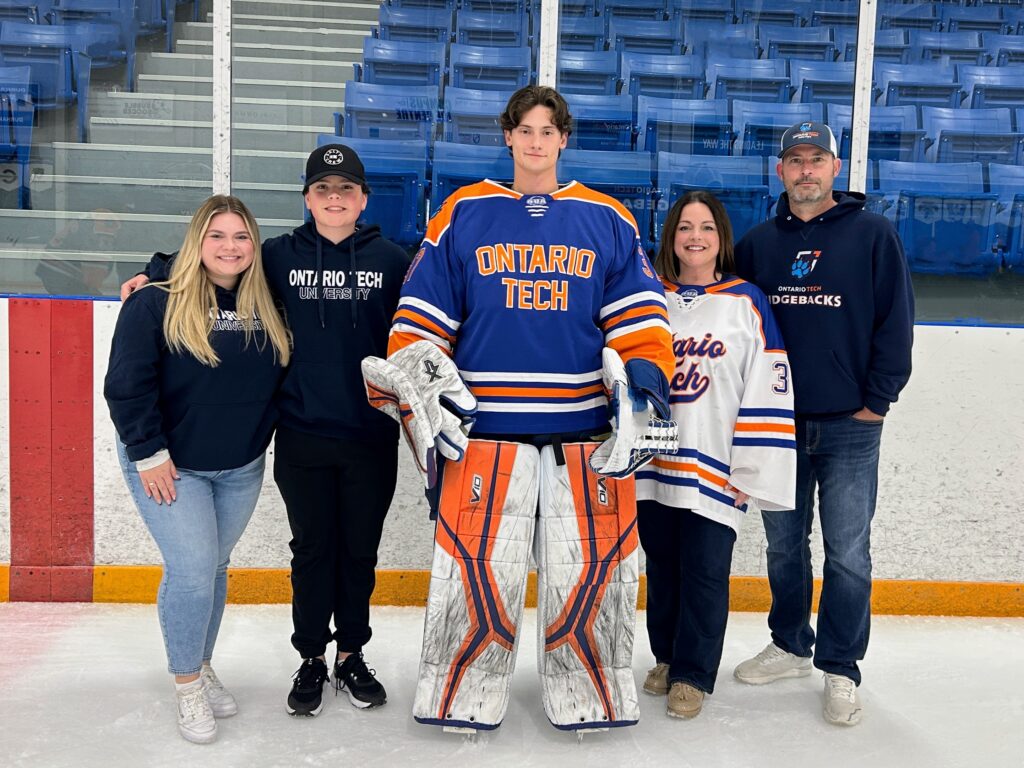
AL: My husband and I are high school sweethearts. Our daughter is 25 and she works at the YWCA in the city. Our older son is 22 and he is out east on a university scholarship playing hockey and taking business, and our youngest son is still at home in Grade 10, and he plays hockey and baseball. I love spending time with family and friends, we go camping in the summer, and walking is a stress relief for me. I love reading but I don’t get a lot of time for it because we spend a lot of hours on the road, so I listen to tons of audio books and podcasts.
LF: What is one thing people don’t know about you?
AL: I am a lover of all things music. I used to be passionately addicted to singing and dancing. I took musical theatre in college and loved performing.