Physician Skills Enrichment
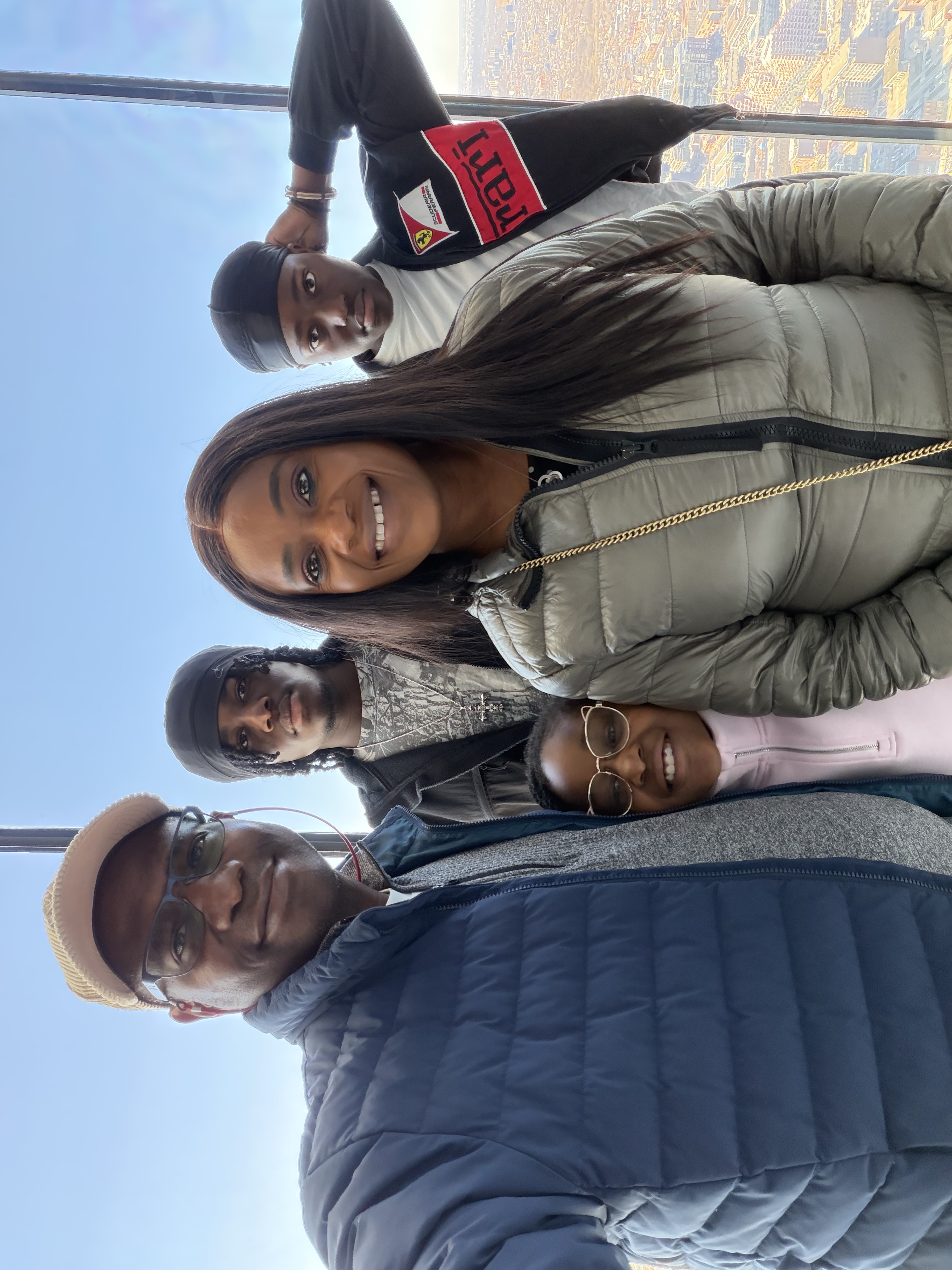
One of RHPAP’s newest board directors doesn’t just care for her patients, she also mentors medical learners and supports new physicians who come to Whitecourt to practise.
Dr. Jane Ojedokun has learned first-hand the impact that a positive welcome and ongoing community support can have on health professionals considering rural practice.
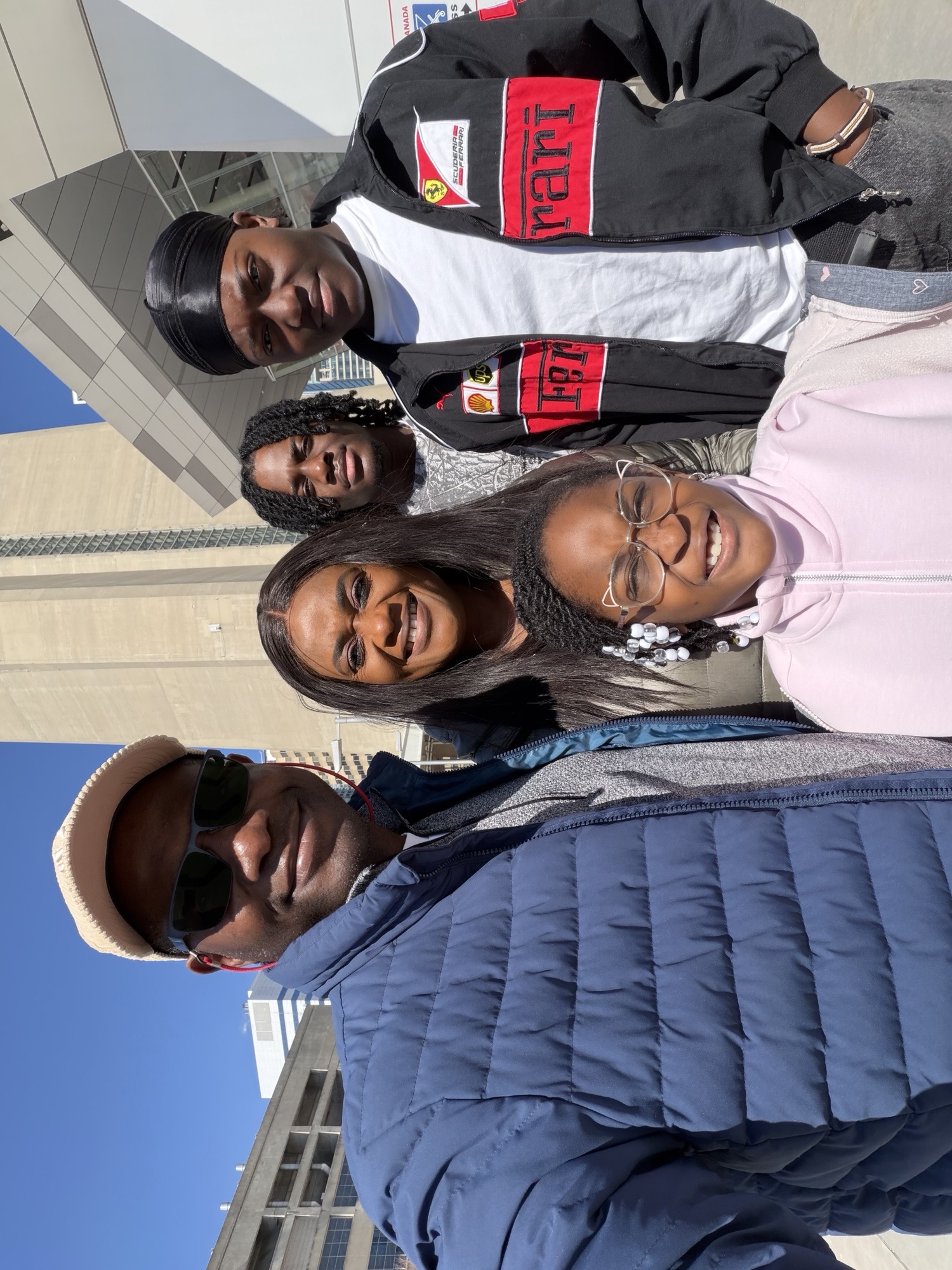
That experience helped convince her and her husband, also a family physician, to choose Whitecourt as their home 14 years ago after training and practising internationally, including in Nigeria, the United Kingdom and Ireland.
“The reception in the community was great,” recalls Dr. Ojedokun. It was also a busy time in local practice, with several physicians having recently left Whitecourt and few physicians accepting new patients.
“I was just slammed right from the beginning.”
The Ojedokuns had originally planned to visit Alberta to explore opportunities in Slave Lake following the devastating wildfire. An unexpected visit to Whitecourt instead won over the young family — and the community continues to be their home today.
“When we were coming up to the end of our three-year contract, we were already so embedded in the community and the church,” she says.
“The kids just loved it here, so we decided not to leave.”
Through her previous leadership roles with the local Primary Care Network and as Alberta Health Services (AHS) North Zone Medical Director, Dr. Ojedokun developed a strong appreciation for the importance of physician attraction, integration, and retention in rural communities.
When recruitment needs became particularly evident in Whitecourt, she became heavily involved in welcoming prospective physicians and helping build a more formal local approach to attraction and retention. Working alongside community partners, a health professionals attraction and retention committee for Whitecourt was established.
She continues to use that same philosophy when health professionals and learners come to explore the community.
“We’ve had the ability to teach medical students here. For me, it’s not really just academic training, it’s more of a mentorship for them,” says Dr. Ojeokun.
“They become a part of our lives as well. The students spend time in our clinics and homes and learn the realities of living and working in small communities with its joy and challenges. We hope to encourage them to choose rural medicine as a career.”
Dr. Ojedokun says those experiences, along with the different leadership roles she has held, will serve her well as she begins her role with the RHPAP Board.
While she was already deeply involved in rural physician attraction and retention, she says her growing understanding of RHPAP has reinforced the important role the organization and local attraction, integration, and retention committees play in supporting rural Alberta communities and health professionals.
She believes Whitecourt’s local attraction and retention efforts have contributed significantly to the community’s relative stability in its healthcare workforce.
Dr. Ojedokun now serves as AHS Associate Chief Medical Officer – Rural Health Sustainability, with a provincial focus on strengthening rural health services, physician recruitment and retention, and service continuity.
She is keen to use her experience with RHPAP to help more Alberta communities and health professionals find the right fit in rural practice.
“We can bring this to the forefront for so many people,” she says.
Another perspective Dr. Ojedokun hopes to bring to the RHPAP board is her understanding of the experiences and needs of internationally trained health professionals.
During her time as North Zone Medical Director, approximately 67 per cent of the physician workforce had received international medical training.
“The face of rural medicine is changing quite a bit in Alberta,” she says. “That perspective is important not to overlook. Rural Alberta is quite different from home for many graduates and ensuring that they feel supported in their journeys and services to Albertans is highly critical.
“Having come from a different background, I feel that’s another piece I can bring to the table.
“It’s a perfect fit for me.”