
News
Giddy up!
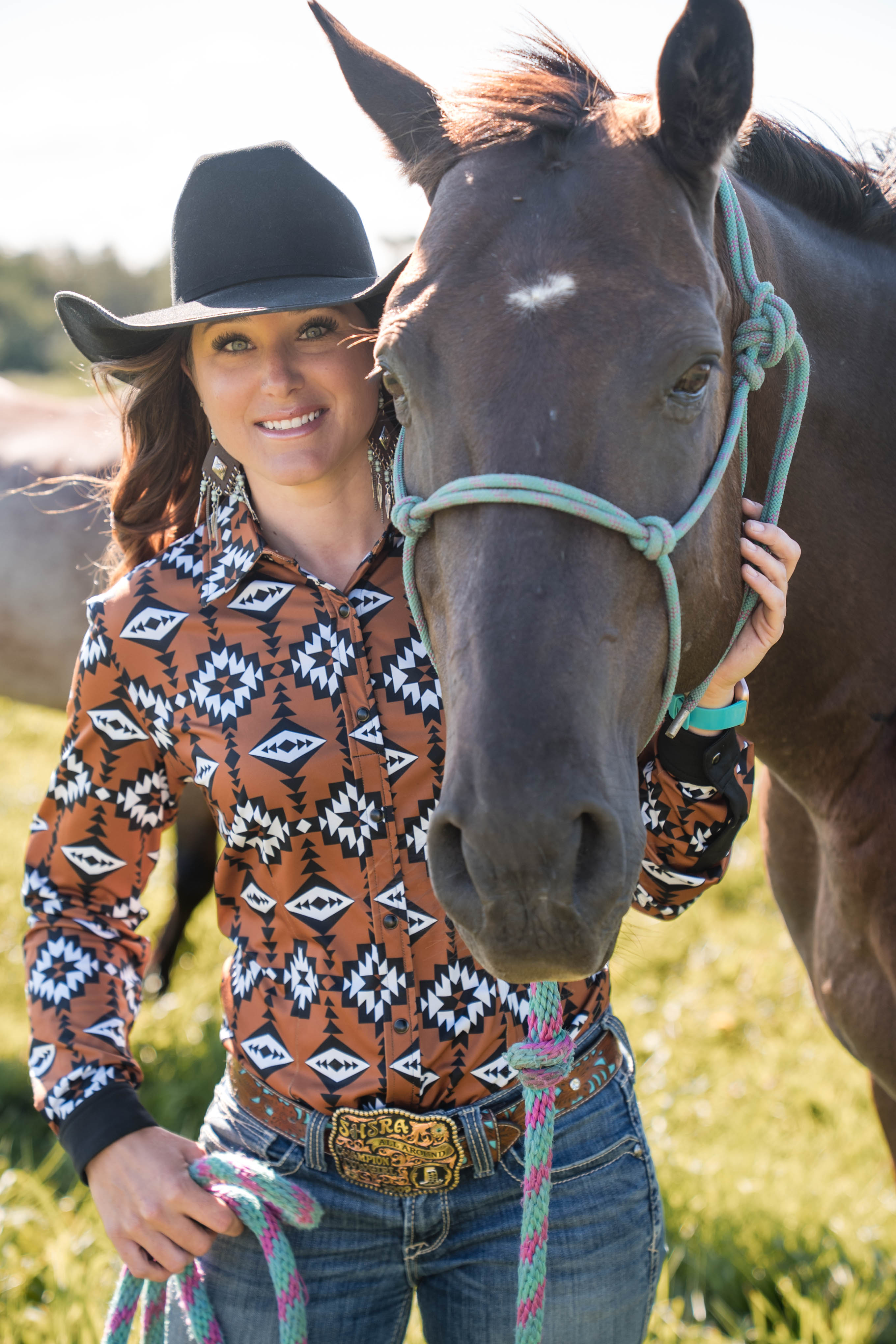
Helping others is second nature to registered nurse (RN) Twyla Lyndell.
With support from RHPAP, the rural RN hopes her love for horses can be parlayed to help colleagues cope with the challenges of working in healthcare.
She accessed funding through RHPAP’s Rural Education and Advanced Learning Program (REAL) to bolster her knowledge in holistic nursing through the courses of Equine Facilitated Psychotherapy and Learning and The Comprehensive Holistic Nurse, Nurse Coach & Consultant Program.
REAL is designed to assist nurses, midwives, nurse practitioners, and allied health professionals working in rural Alberta access continuing education and professional development opportunities.
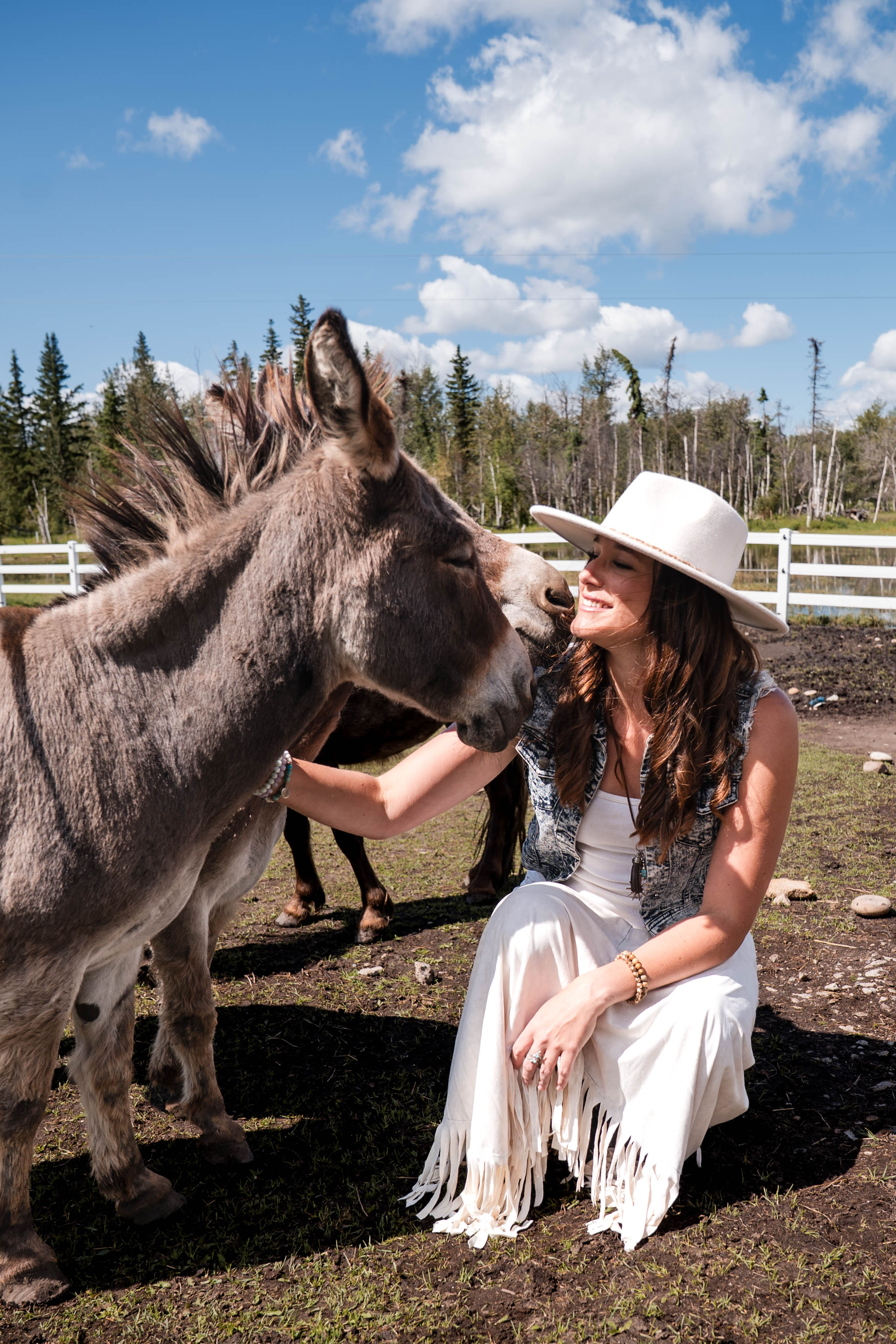
Lyndell began working as a healthcare aide in rural Saskatchewan 21 years ago. Over time, the central Alberta-based nurse has experienced the ups and downs of the health profession. Her horses and donkeys have helped ground her as valued companions and while participating in 4-H and rodeo.
“They have really been my rock, my foundation for my own personal and professional life,” says Lyndell, who also operates her private practice, The Lantern TL, to coach others in their personal growth.
Lyndell also uses drumming, sound therapy, and other techniques in her coaching and training. She sees equine assisted learning as another option for her clients at facilities near Daysland, Wainwright, Forestburg, Camrose, and Sherwood Park.
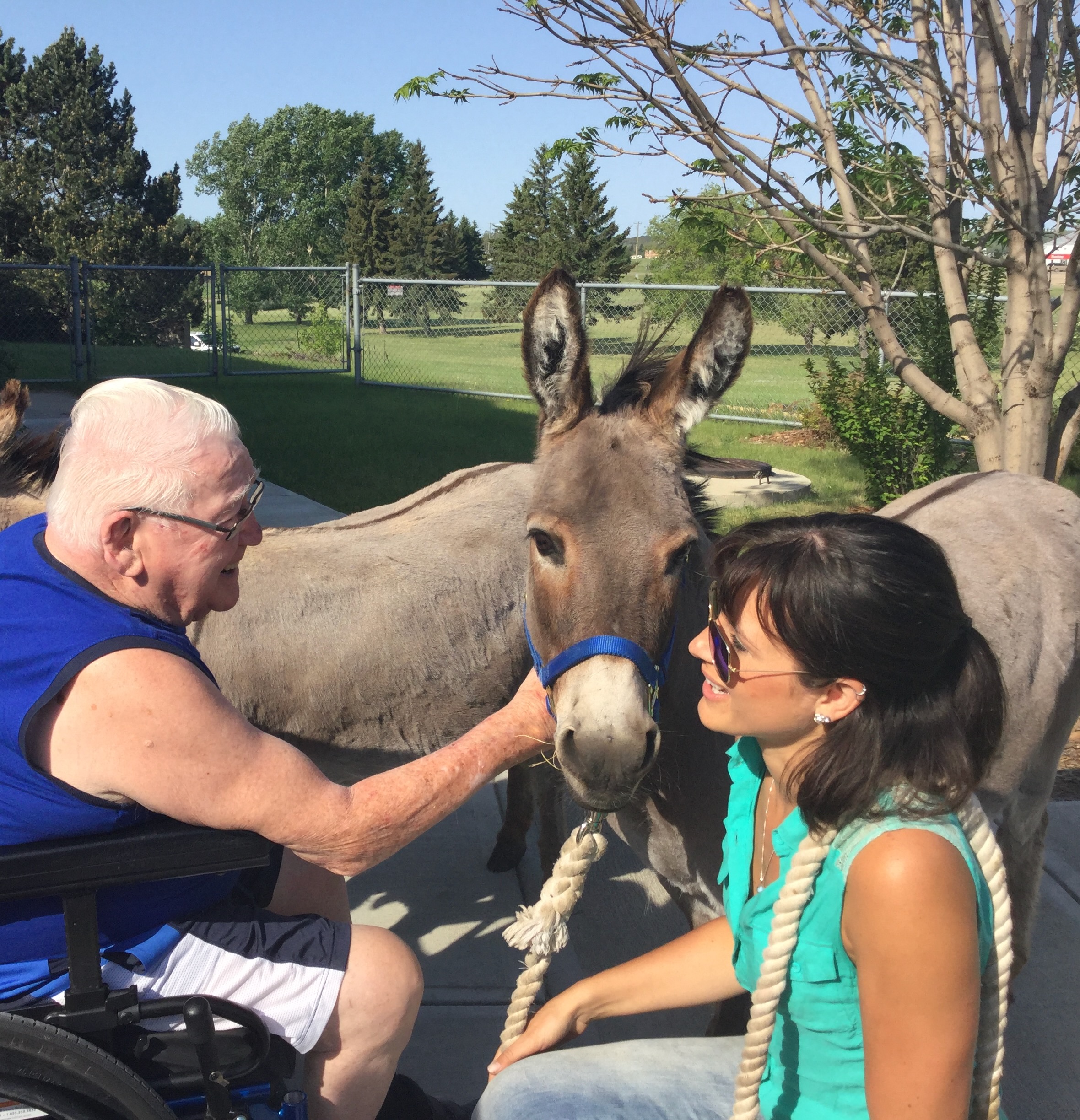
“As a holistic nurse, one of our standards is to provide a safe environment for healing to occur. Essentially, the equine does that just naturally by its sensitivity, present state of awareness, and inherent ability to regulate their own nervous system. It really creates that ability to co-regulate.”
Lyndell says the health profession is taxing, especially for those new to the role.
“Since 2017, I’ve been really focused on health workers and building resilience and burnout, compassion fatigue, and PTSI (post-traumatic stress injury).
“As a professional, we have to keep our emotions in check a lot of the time and then they really get suppressed. I do have a deep passion for helping my coworkers and all the people in this industry to express that, to release that, to help co-regulate or regulate their nervous systems because they get beat up a bit in our line of work,” she says.
“Holistic nursing is valuing the self as healer. So, it’s empowering our clients or coworkers, or whomever, to take more accountability in their own health journey,” explains Lyndell.
“It is a really cool shift from dictating ‘you need to do this, that, and the other thing’ and then it kind of falls apart.”
In her various healthcare roles, Lyndell says she has witnessed many leave the profession.
“At a training, one of the nurses said, ‘we’re hemorrhaging our heroes….It’s heartbreaking to see that when we literally pour our lives and our hearts out for the people in front of us then we forget about ourselves.’”
Lyndell works with many first responders and others who have experienced trauma and have difficulty expressing themselves.
“There’s a lot of pride and ego and it all kind of gets washed away when you’re with the animal. You don’t even have to talk about the trauma. I’ve seen some really cool things…of people being able to get past some hard stuff.”
REAL funding helps rural health professionals stay on top of their game, says Lyndell.
“I always say we are the jack of all, master of none out in rural. It makes us great nurses because you can work anywhere and you can nearly do anything because you’re trained in all areas.
“REAL helps people like me to follow their dreams and have them come to fruition with assistance. I’ve seen lots of nurses be able to get certificates or certifications in a course that they would not have otherwise been able to take rurally.
“I really do believe that increases the standard of care in our rural communities.”
Related blog posts
Featured
Rural Education Fund