Featured
Rural Education Fund
RHPAP helps health professionals train in their own environment
More than 1,800 rural health professionals have become more knowledgable, confident, and familiar with their working environments through an RHPAP program aimed to better prepare them for emergencies and other medical situations.
The Rural Education Fund (REF) provides funding so health professionals can take team-based professional development and continuing education training locally to learn more about emergencies, traumas, obstetrics, pediatrics, dementia, and other health issues.
Rather than attending urban-based one- or two-day courses, the REF-funded training is taught in rural sites so participants can learn with familiar equipment alongside their colleagues.
RHPAP has contributed more than $900,000 to 60 rural communities hosting training for health professionals since REF was launched in 2024, says Emily Johnson, RHPAP’s Grants and Database Specialist.
Having pre-hospital staff, physicians, and nurses collaborating in a team environment is paramount, says Dave Allison, a paramedic who instructs a variety of training including Advanced Cardiovascular Life Support and Pediatric Advanced Life Support. Allison also taught courses through his previous role as community educator through STARS.
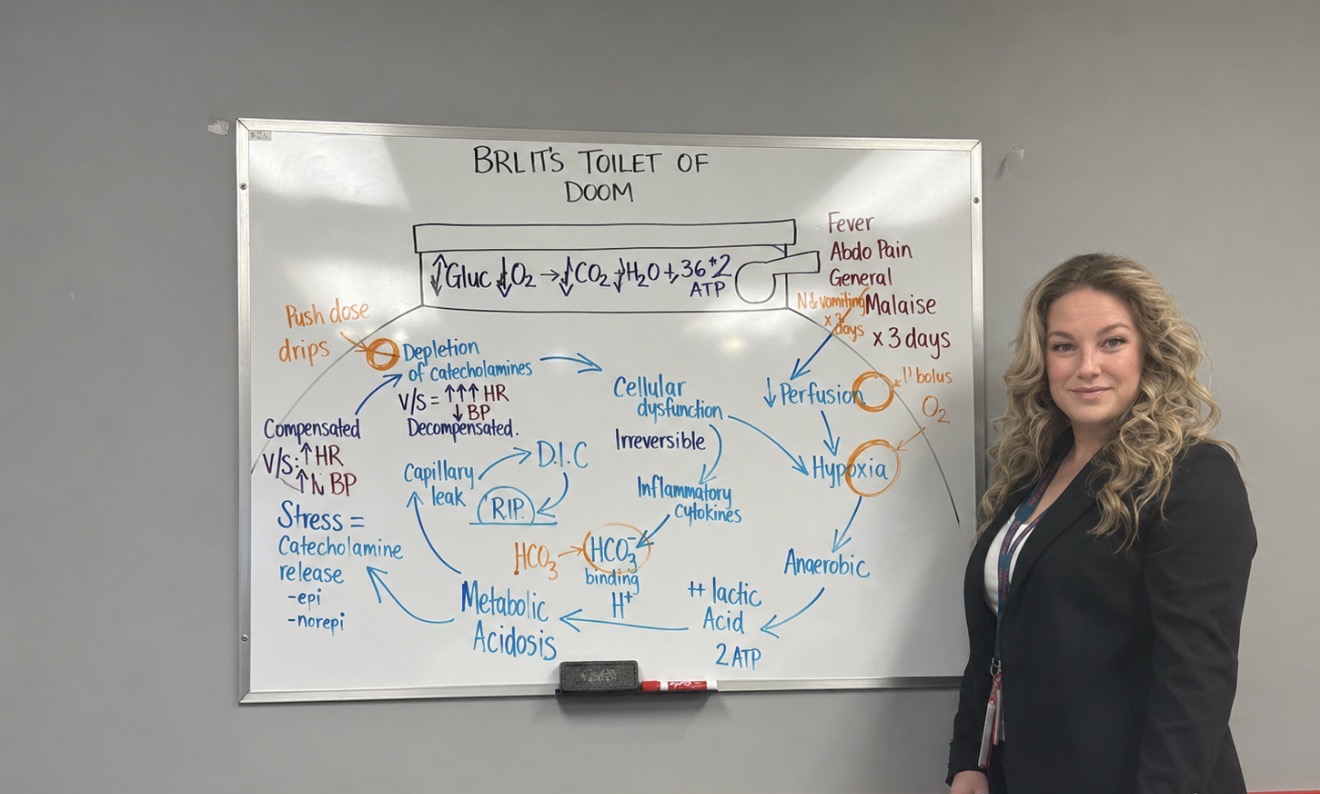
— Photo supplied by Brittany Weise
“Being able to build that muscle memory helps the (health professionals) and takes down a little bit of that barrier of being self-conscious by working with people that you are familiar with.”
Rod Graf, a clinical nurse educator with Alberta Health Services in the central corridor, says he has seen more health professionals signing up for training recently as REF has helped reduce the out-of-pocket cost for employees.
Demand for the courses is high (course offerings have doubled in the past year) and limited only by the number of certified instructors available.
Removing barriers for health professionals is important, adds Allison.
Participants often comment on how they “don’t have to travel, worry about having kids looked after, or getting hotels.”
“It’s very beneficial to the community in the sense that you know there are more people that can participate that way.”
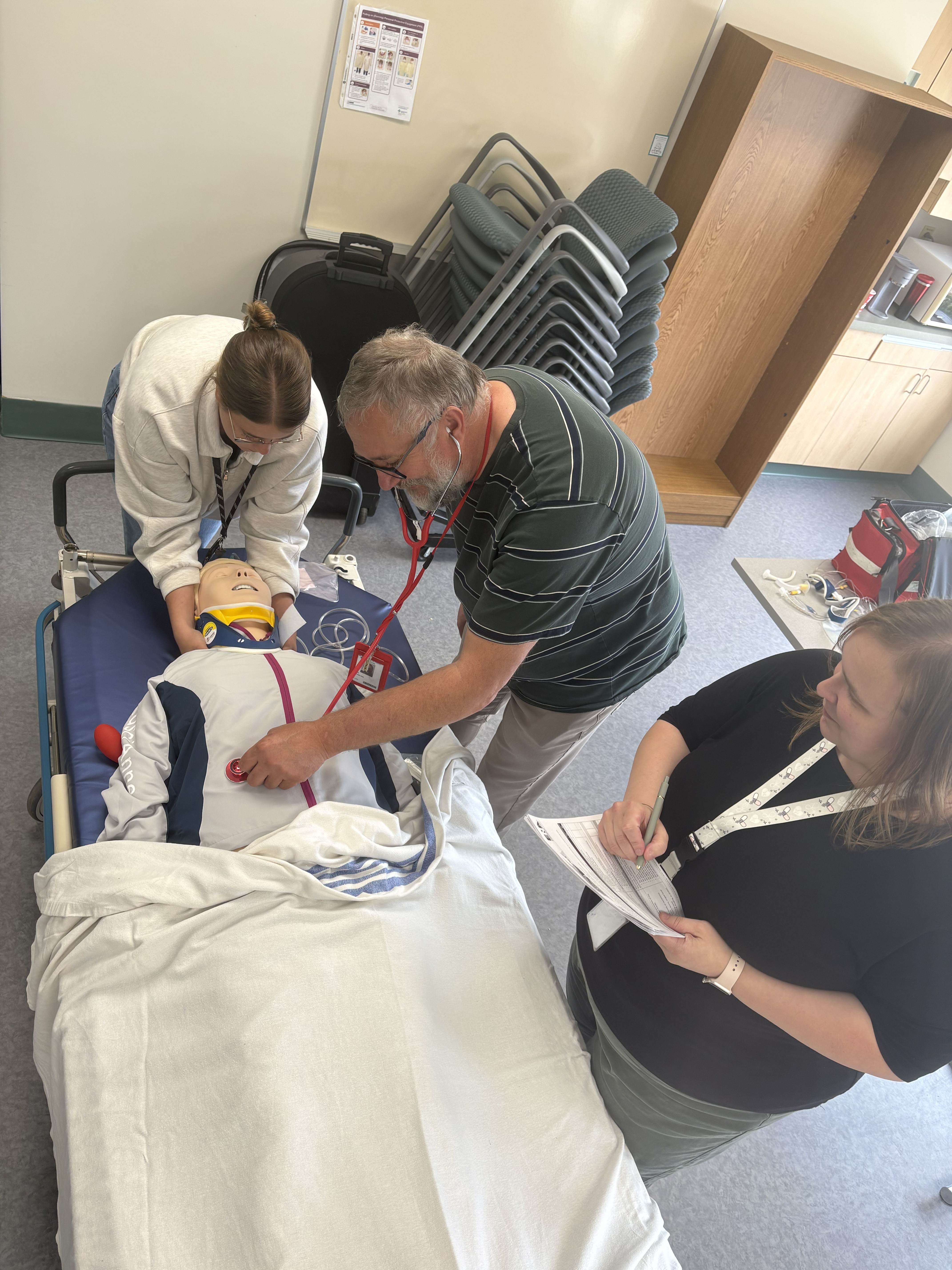
— Photo supplied by Rod Graf
Edmonton-based Brittany Weise enjoys tailoring her training to rural sites which can vary from community to community and quite dramatically from an urban area.
“There won’t be 20 (health professionals) lining up outside the room to help with tasks and grab things,” she says, noting available medical equipment and supplies can also differ depending on the rural facility.
Weise says we talk about “how can we make it work best? What are our priorities?”
The training also teaches health professionals how to handle emergency situations when a physician isn’t available.
“Maybe the doctors aren’t in the hospital or in-house all the time, so they really have to be able to provide and manage care for these really sick patients, for the first 20 to 45 minutes if the doctor is coming from out of town.
“The fact that RHPAP is providing this education to our rural partners is huge,” says Weise.
Many participants shared how they learned better communication techniques, the importance of task delegation, and how to interpret data such as heart rhythms.
“Effective chest compressions save lives. Team dynamics greatly affect the success of code. I learned to practise and practise to get those skills up and going and I will do that with my nursing friends,” wrote a participant.
Notes another: “I gained a lot from taking ACLS (Advanced Cardiovascular Life Support). I am much more comfortable with all the roles included and would be more confident during a (medical) code.”
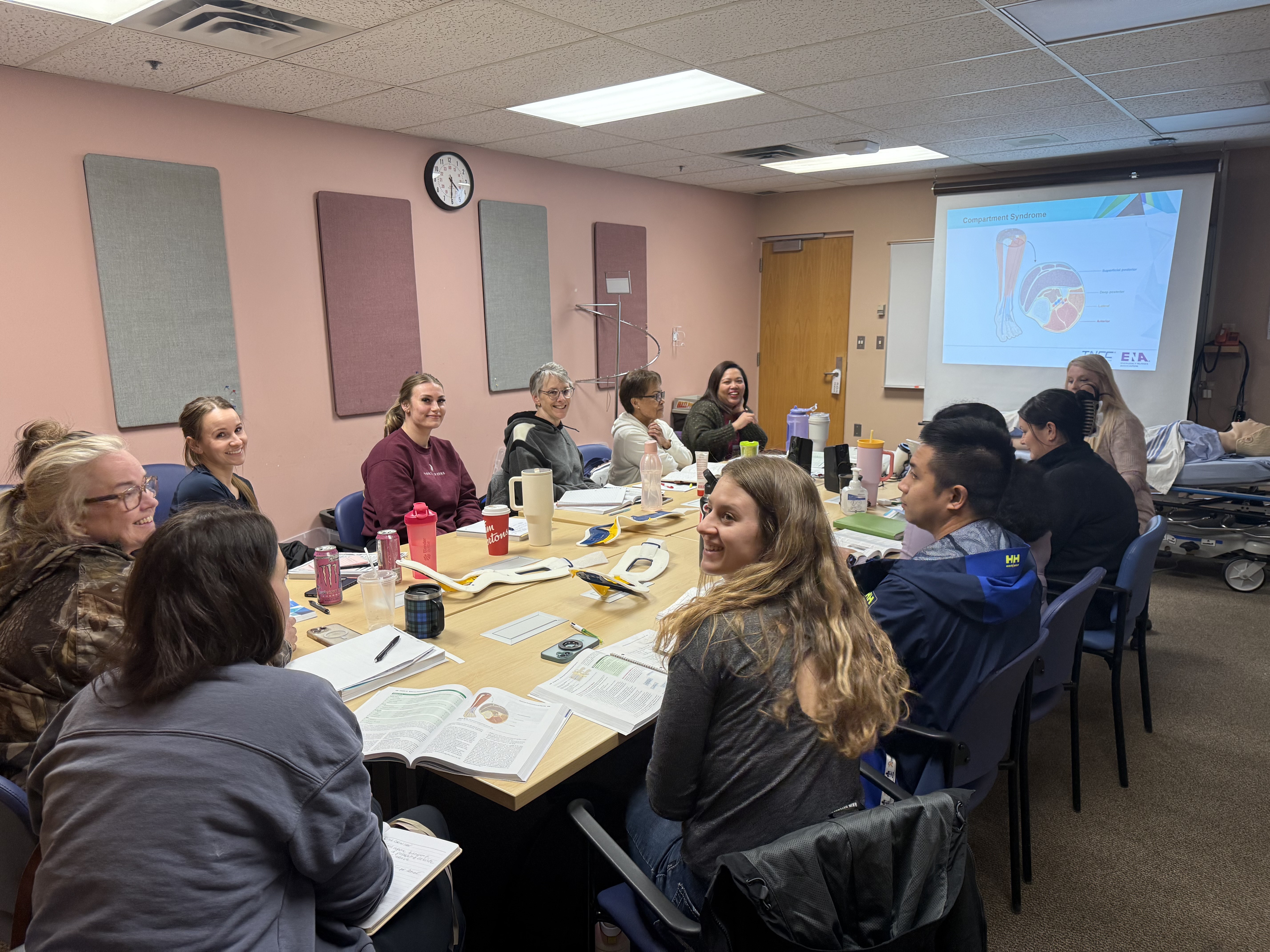
— Photo supplied by Brittany Weise
REF has funded a number of training courses for rural communities of less than 15,000 residents including:
- Advanced Cardiovascular Life Support (ACLS)
- Pediatric Advanced Life Support (PALS)
- Trauma Nursing Core Course (TNCC)
- Advances in Labour and Risk Management (ALARM)
- Acute Care of at-Risk Newborns (ACoRN)
- Pediatric Emergency Assessment, Recognition and Stabilization (PEARS)
- Point of Care Ultrasound (POCUS)
Related blog posts
Physician Skills Enrichment