Featured
RHPAP consultant loves connecting people, ideas, and resources in rural
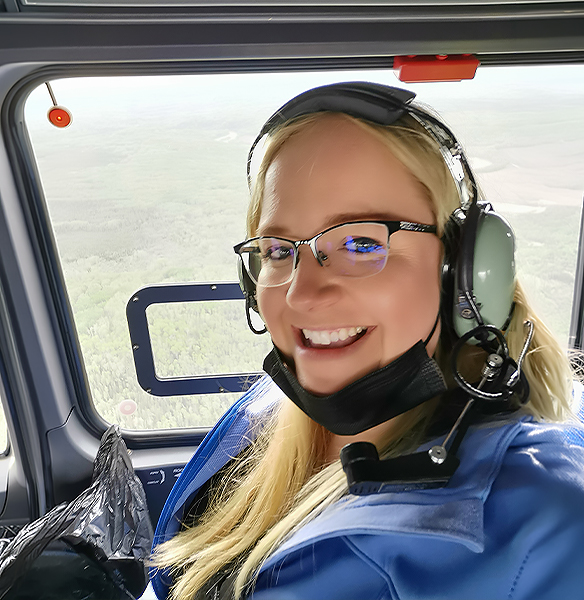
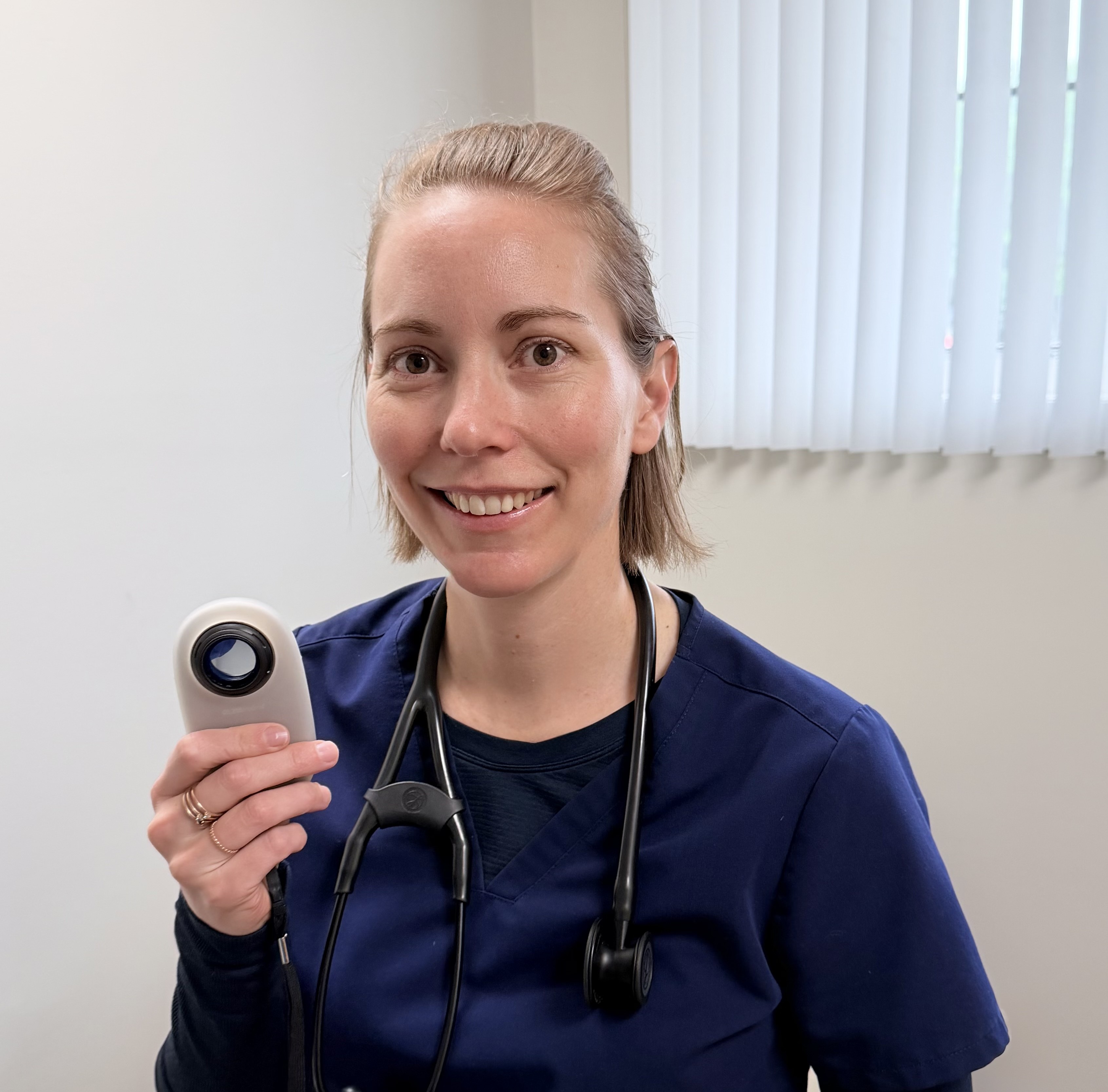
Amazing people work with RHPAP throughout Alberta. In this feature, Anita Fagnan, a community consultant with the Community Development and Engagement team, chats with RHPAP freelance writer Lorena Franchuk.
— Photo provided by Anita Fagnan
LF: How long have you lived and worked in rural Alberta?
AF: All of my life. I was born in St. Paul, grew up on a mixed farm north of Mallaig, and graduated from a class of 11. I went to Red Deer College, transferred to the University of Alberta to finish my degree in Adaptive Physical Education, then met my husband, and raised my family in Westlock for the last 30 years.
LF: How long have you been a community consultant?
AF: I started in February 2021.
LF: What interested you in becoming a rural consultant?
AF: Prior to this role, I was the Pembina Gateway Parent Link manager supporting eight rural communities. That job entailed early childhood program development, staff support, training, and community engagement. Not being a medical professional myself, I certainly had a learning curve, especially for all of the new healthcare acronyms. I quickly realized my skills were easily transferrable and that the job was a good fit.
LF: Five years in, is it the role you expected?
AF: It is even better than what I expected. Being able to support, appreciate people, and build strong relationships is something that comes natural to me. Making that a part of my everyday work makes my job enjoyable and meaningful.
LF: You get to work in communities where you live now and also where you grew up. What areas do you represent now?
AF: My northeast border goes as far east to Cold Lake, south to Elk Point, west to Whitecourt and then all the way north into Wood Buffalo and encompasses all the rural communities in between.
— Photo provided by Anita Fagnan
LF: What do you do as a rural consultant?
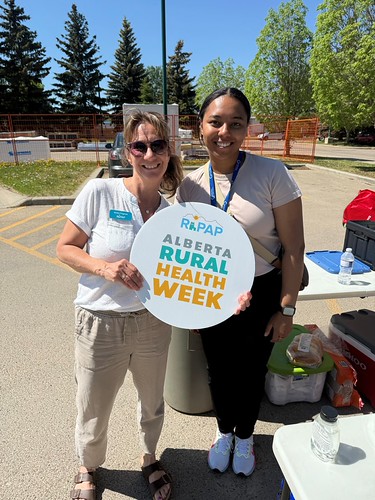
AF: Most of my time is spent supporting the Attraction, Integration, and Retention (AIR) committees and community health champions in my zone. We do that by attending local meetings, sharing information, helping make connections to others who are doing the same work, and providing various resources that help leverage the great work they are already doing. Some examples are sharing best practices, engaging and communicating with stakeholders, recruiters, and high schools in the region. We advocate and play a supportive role when it comes to our Let’s Go Rural! program and Rhapsody celebrations, Alberta Rural Health Week, and our biannual conference. I am happy to share more about RHPAP support with municipal councils and other stakeholders. Most recently we facilitated strategic planning for committees, as well as hosted regional summits across the province.
LF: How do your rural connections help you with your RHPAP role?
AF: I had already established several connections with my previous career. Also, having a large family and friend group in rural Alberta, it only takes 10 minutes before you can find at least one connection.
LF: What’s your favourite part about your job?
AF: Initially, I was most excited about planning all the events. That’s been slowly changing as I’ve been appreciating all the committee and community work. Making other people’s jobs easier, meeting new people, and building strong connections is important to me. Advocating for the importance of quality rural healthcare and promoting what it’s like to live and work in rural comes easy to me. I really appreciate how supportive our virtual team has been over the years.
LF: What’s your biggest accomplishment?
AF: Helping committees work together to identify their priorities and how they will accomplish their goals with our strategic planning sessions. I really enjoyed facilitating the Northeast Summit in Smoky Lake in June. I look forward to expanding those discussions.
LF: Were these communities having these discussions prior to the summit?
AF: Yes, but I don’t think it was always pertaining specifically to healthcare. One lady said to me, ‘It’s good to hear that we’re not the only community experiencing some of these struggles.” People were very willing to share both their successes and struggles at the summit.
LF: Why is rural healthcare so important to you?
AF: My dad was on dialysis the last few years of his life. When I shared this with others, they felt sorry for him and I said, “Don’t feel bad, he looks forward to his dialysis as he gets to chat with all the nurses. It really was just a coffee date for him. It wasn’t a negative thing; he was very well cared for.”
LF: Tell me about your family.
AF: My husband, Dean, and I are now empty nesters in our home in Westlock. Dean will start a new role of principal at St. Mary’s School in Westlock. We have three grown children, two married, and the third wedding is coming up next fall. We have two super fun grandchildren and another on the way.
LF: What are some of your hobbies and interests?
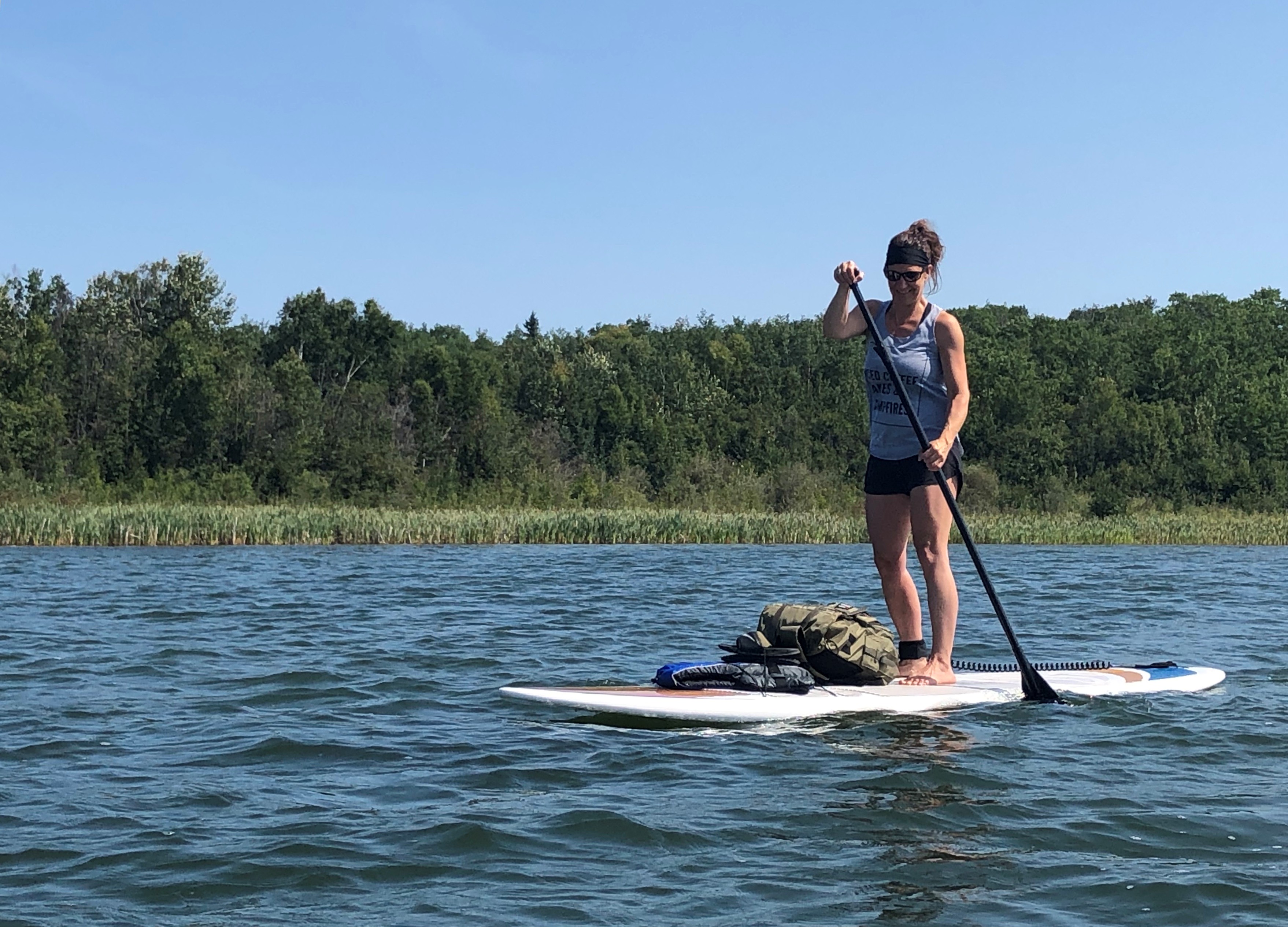
AF: I love camping, traveling, yoga, and enjoying nature. I’m most at peace spending time on my paddle board at our lake property. I also enjoy my newest pastimes of golf and pickleball, and grandparenting.
LF: What is something people don’t know about you?
AF: I have approximately 125 first cousins. I have lost count—I couldn’t even name them all.
Related blog posts
Physician Skills Enrichment