News
New medical program trains physicians in southern Alberta
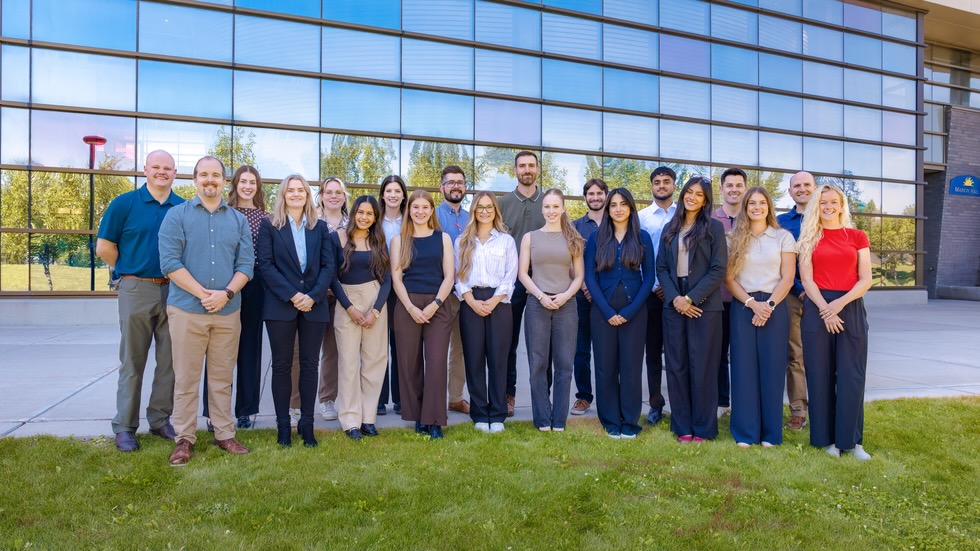
Several new doctors may practise in rural and regional communities throughout southern Alberta in the coming years, thanks to an innovative medical program launched this summer in Lethbridge.
In July, 20 medical students began their studies with the Southern Alberta Medical Program (SAMP), through a partnership between the University of Lethbridge and the University of Calgary. Medical students will earn a UCalgary degree while learning in communities throughout the South region.
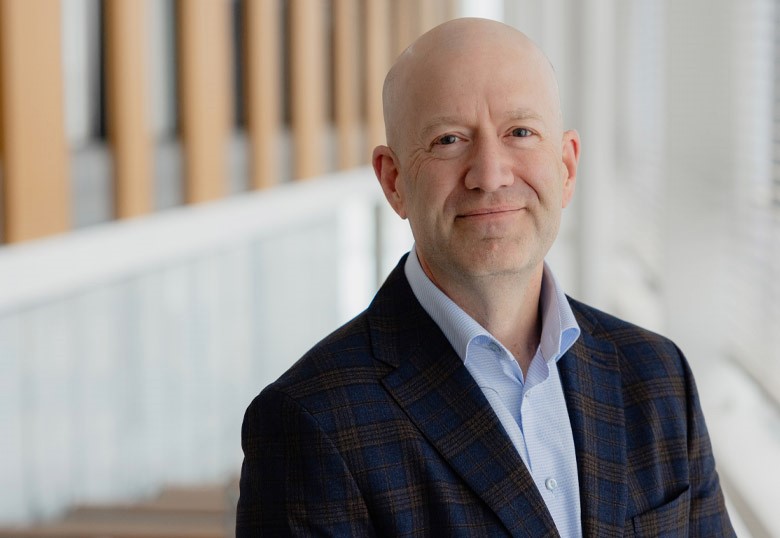
Basing the SAMP program in Lethbridge has proved to be a draw for students. Many applicants noted during the application process that being close to family and social supports was a key factor in choosing to apply for the program, says Dr. Rick Buck, SAMP’s associate dean.
“We speak from experience working with the family medicine residents,” explains Dr. Buck.
“Where you do your post-graduate training, where you do your residency, really does matter. A lot of folks who have trained in the UCalgary Department of Family Medicine rural residency program have stuck around in southern Alberta.”
He is excited about the inaugural class—selected from close to 300 applicants—that underwent a rigorous medical interview process that also focused on a rural component. In it, potential students were required to outline their interests in an essay and respond to questions from rural and regional community members.
“We were looking for candidates who had connections to rural and regional medicine that we thought could be a good fit for this program.
“We truly are lucky to have these exceptional students in the program. Not only did they have to fulfill all the academic requirements an urban candidate needed to be accepted into med school, but they also had to show their interest and connections in rural and regional medicine.”
Southern Alberta has always had medical learners practising in clinics and hospitals through clerkships and residencies, he notes, but the new program will expose many more students to the area for a longer period of time.
“The thought is if you can recruit them locally and train them locally, then hopefully they will stay local.”
That is similar to his own experience. Dr. Buck grew up south of Winnipeg in a small rural community and completed his medical training in Manitoba.
“Then I came out to southern Alberta and Lethbridge to do my residency and just fell in love with southern Alberta, so I stayed.”
Area communities are now discussing how they can play a role in attracting and supporting SAMP students and other prospective physicians. While 20 students were selected this year for the accelerated three-year program, in subsequent years, up to 30 students will be chosen.
“The conversations about how we actually recruit a physician are no longer just a healthcare
system issue. We’re now seeing that it’s a community issue,” says Dr. Buck.
“I think that has been the most powerful thing. People are just thrilled that this is happening. I think the next step after that is going to be the expansion of more residency positions for these students so they can do their post-graduate training closer to home.”
Dr. Buck is grateful for the support RHPAP offers SAMP medical learners throughout their journey.
This fall, the SAMP students will be invited to attend a Let’s Go Rural Weekend Event in Taber that allows them to experience rural medicine first-hand and get to know the community culture and lifestyle. SAMP students are also eligible to apply for additional RHPAP progams, including the the $5,000 Healthcare Student Awards, reopening this December, the Rural Mentorship Program which provides opportunities to shadow rural emergency rooms with preceptors, and rural accommodations for rural rotations. He sees the ripple effects of SAMP continuing for years to come.
“Looking way into the distant future, these SAMP students could become the teachers.”
Related blog posts
Featured
Rural Education Fund
RHPAP helps health professionals train in their own environment
Physician Skills Enrichment