News
RHPAP’s Northwest consultant loves to support and connect rural communities
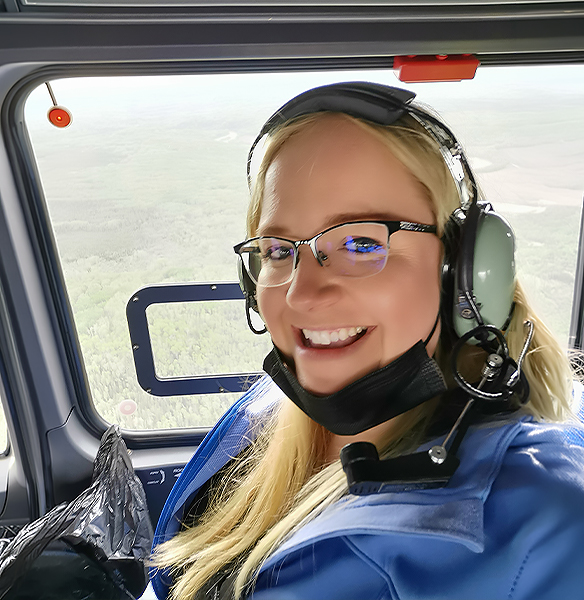
Amazing people work with RHPAP throughout Alberta. In this feature, Bethany Rose, a community consultant with the Community Development and Engagement (CD&E) Team, chats with RHPAP freelance writer Lorena Franchuk.
LF: How long have you lived/worked in rural Alberta?
BR: I grew up in a small farming community named Debolt, about 40 minutes east of Grande Prairie. I have lived in Grande Prairie for 15 years, but I’m still quite connected to my rural roots. My father still lives on the family farm near the Simonette River.
I went to school in Bezanson, about 10 minutes from Debolt, until Grade 9. Then I was bussed to Grande Prairie for high school.
LF: How long have you been an RHPAP consultant?
BR: I’m one of the newest team members. I have been with RHPAP now for a year and a half.
LF: Why were you interested in becoming a consultant?
BR: It aligned with my experiences and career path. I am both passionate about and enjoy community engagement so when the opportunity became available, I knew it was for me.
LF: Is it the role you expected?
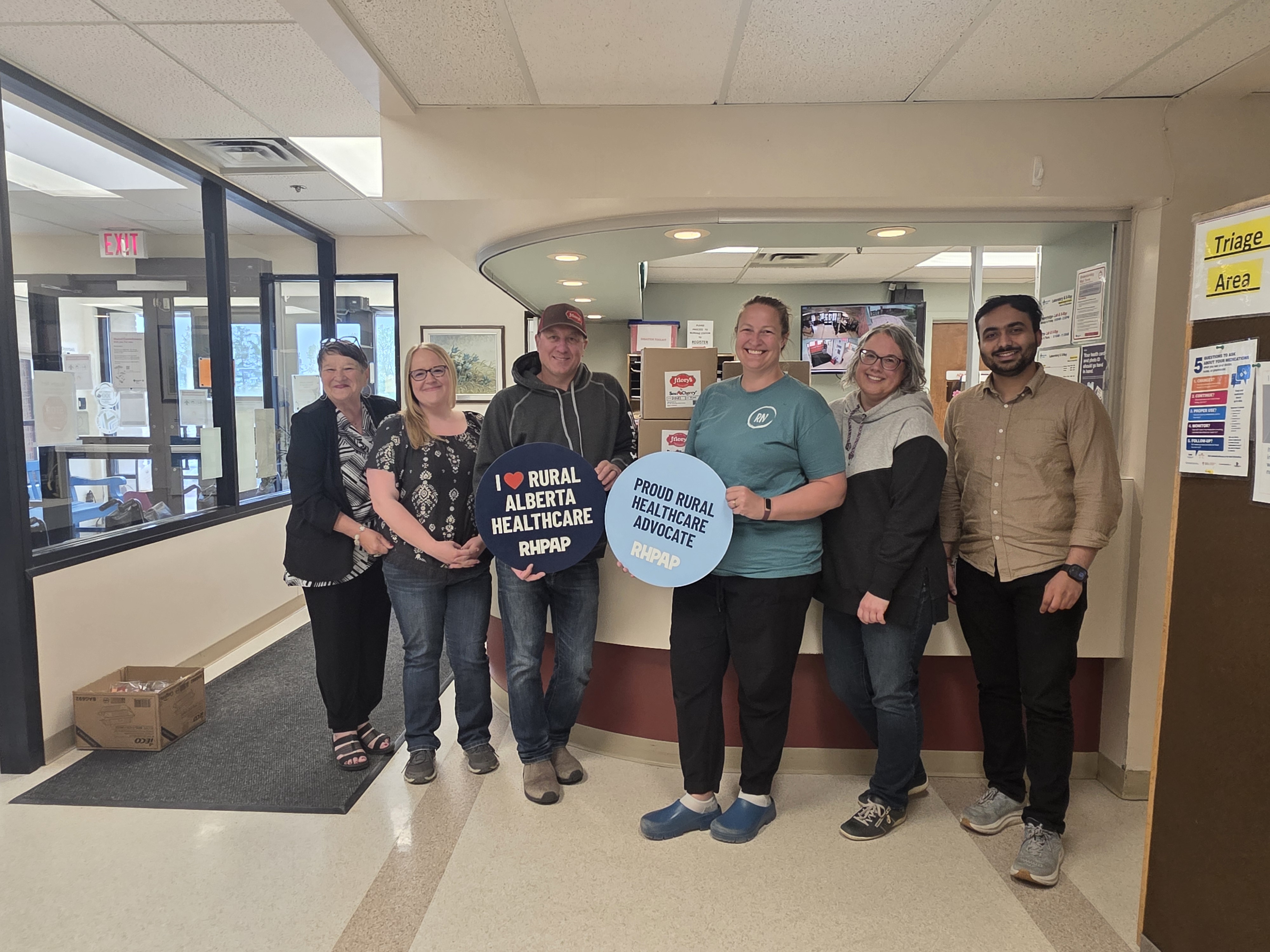
BR: It is for the most part, but it’s a lot more unique. It takes working in the role to fully understand the nuances. You can travel only 20 minutes down the road to a different community and everything about the dynamics of that community is different. The uniqueness of every community was probably one of the most enjoyable parts and yet the biggest learnings for me.
LF: Describe your zone and some of the areas and communities you represent.
BR: I go south to Grande Cache, then west to the British Columbia border, east to Fox Creek and High Prairie, and then all the way north to High Level, Fort Vermillion, and La Crete. I have 10 active attraction, integration and retention (AIR) committees, and often those committees are collaborations of neighbouring municipalities, towns, and villages.
LF: What is your role as a consultant?
BR: I network and build relationships with stakeholders to support committees in my region with attraction, integration, and retention. I am always looking for opportunities to help them with what they are already doing and support them with new initiatives. There are dedicated people on every committee, and some have been around for quite some time, and they are doing incredible work. I’m here to learn from them and take away information to support other committees, so they don’t have to reinvent the wheel and start from ground zero. I also aim to increase awareness of attraction, integration, and retention work in communities that don’t have a committee yet.
LF: How do your rural connections help?
BR: I grew up in a farming community, far from people and amenities. I understand the history and the dynamics of living rural. That gives me an ability to relate to the people that I support and helps me connect quickly with those that I am networking with to support their initiatives. Previously, I worked with STARS Air Ambulance as a Community Engagement Co-ordinator and there I learned the importance of rural healthcare. Seconds truly matter, and the strength of your community health network can make the difference between life and death. I understand how important the strength of our rural communities is, how vital teamwork is, and the importance of every part of the healthcare system.
LF: What’s the favourite part of your job?
BR: I love the uniqueness of everyone that I meet. There’s always a story to hear and learn from, a new person to meet. Even though we are all so different, people also have so much in common.
LF: What is your biggest accomplishment to date in your role?
BR: We hosted summits at the beginning of June in each region, and that was my largest accomplishment so far. It was an honour to organize and facilitate the day, bringing people who are passionate about healthcare in their community together. It was great to see the level of openness and collaboration between committee members from across the northwest.
LF: What goals do you have for your region in the future?
BR: Building off of the summit success, my goal is to continue the path of collaboration, networking, and community. Northwestern Alberta is good at being collaborative because everyone up here recognizes that we are in this together. When one community wins, the whole area wins.
LF: Why is rural healthcare so important to you?
BR: Healthcare affects all of us. It is so very important to every one of us, and just because you live far away from a community or your community is far from an urban centre, you still deserve the same opportunity for care as somebody in an urban centre. Growing up rurally, I had to call an ambulance for a family member, so I personally know what that response wait time feels like when the nearest hospital or ambulance can be quite a distance away.
LF: Tell me about your family.
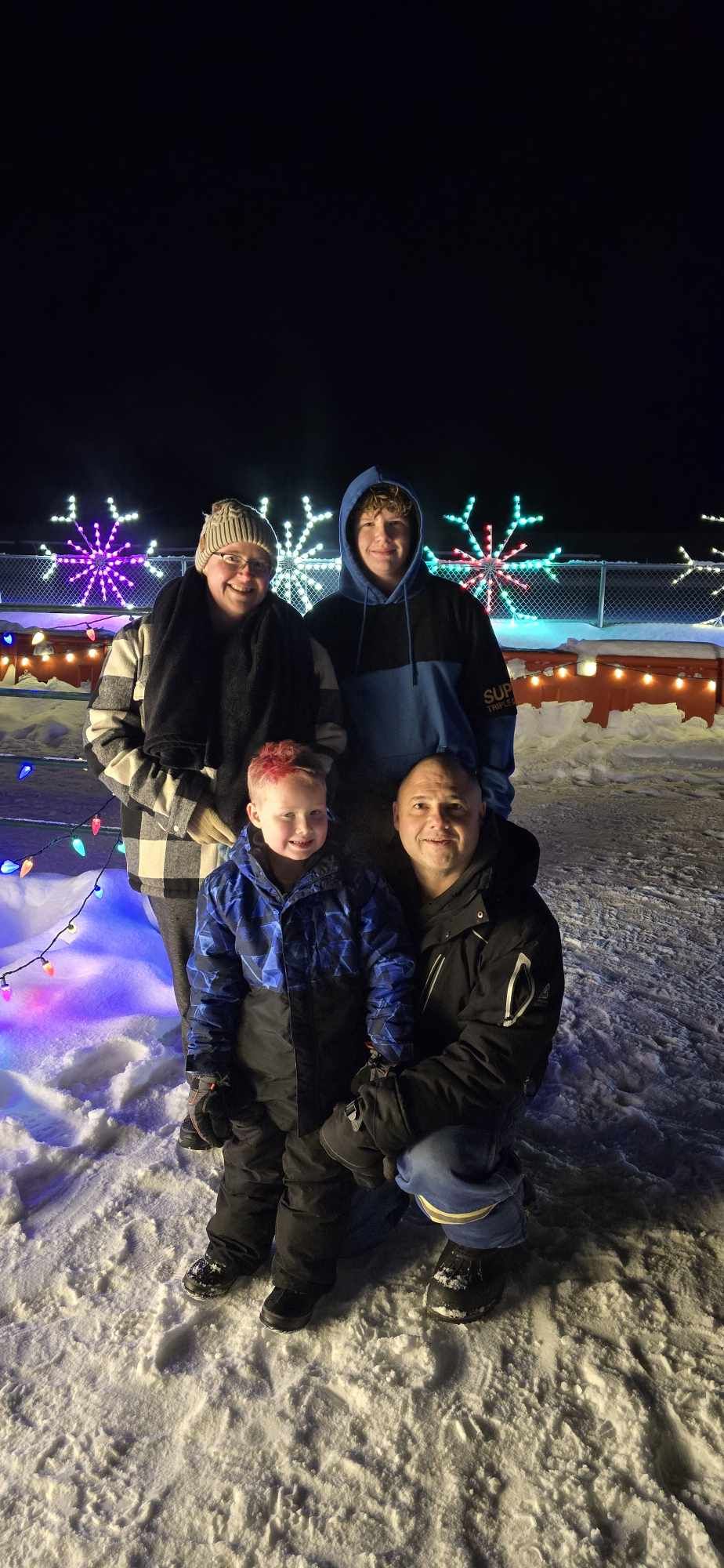
BR: I live with my husband and my two boys, an eight-year-old and a 15-year-old, so it’s quite a busy house. We always seem to be on the go, and I love being a boy mom. We spend a lot of time outdoors, camping in the summer, dirt biking, and quadding. We love to travel and explore and spend time together.
LF: What’s one thing that people might not know about you?
BR: I have no middle name. It was a choice made by my parents so when I got married my last name would become my middle name. But when I got married, I talked to my husband and I chose not to change my last name because I love my name, and it was part of my identity. So, I just kept it the way it was.
Related blog posts
Featured
Rural Education Fund
RHPAP helps health professionals train in their own environment
Physician Skills Enrichment