.jpeg)
Physician Skills Enrichment
Smile returns for rural trauma patient after RhPAP funds innovative therapy training
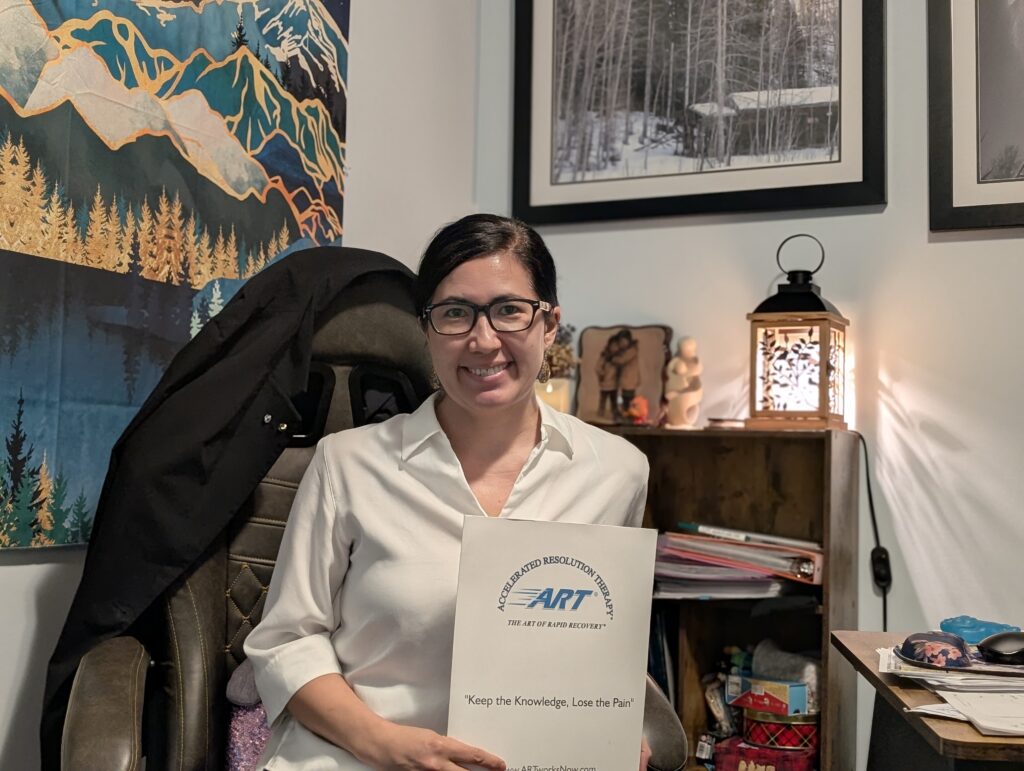
— Photo supplied by Dr. Lana Fehr
Dr. Lana Fehr doesn’t shy away from creating a well-stocked toolbox to help her patients.
When a patient presents with high blood pressure or another ailment, she doesn’t believe in prescribing a quick fix for the problem. Instead, the Arrowwood family physician wants to understand why it occurs in the first place.
That is why she was keen to participate in Accelerated Resolution Therapy (ART) training, funded through RhPAP’s Physician Skills Enrichment Grant Program. The program supports rural physicians in accessing continuing professional development opportunities to better meet the needs of their communities.
Dr. Fehr took the three-day training at Mount Royal University in Calgary last summer. She walked away knowing this may be a game-changer for many of her patients, a large percentage of whom live on the Siksika Nation one hour east of Calgary.
“I have known for a long time that there is a strong connection between trauma and health outcomes,” says the former math and science teacher, who opened her practice in 2016.
Many of her patients experience complex post-traumatic stress disorder and addiction, so she has worked to incorporate techniques and tools to support their healing.
“In rural medicine, especially family medicine, we’re kind of jack-of-all-trades where you pick up your duct tape and kind of figure it out,” says the physician who grew up in the nearby village of Rockyford.
“We all have had negative experiences in our lives, and it’s very difficult for the brain to actually process and let go of those. This is a therapy that assists people to potentially make peace with their past and to move forward in a more positive and helpful way.”
Siksika resident Ek-Kanakii Mekaisto has been Dr. Fehr’s patient for nearly a decade.
“We work together in regard to how I can cope,” says Mekaisto. “I had a lot of symptoms of insomnia, stress…all these different things that were affecting me, and I didn’t have the self-worth.
“I went to see Dr. Fehr one day because I was having ear infections, really bad ear infections, because of residential school years…. When I talked to her, I was telling her I just can’t get things out of my head.
”Dr. Fehr suggested ART therapy.
“I came in for a half an hour session and that half hour just blew me away. Because of my trauma, I was very controlling and judgmental.“After doing the therapy stages, I started smiling. I started feeling safe, in a sense where I could really show emotion,” recalls Mekaisto, who is now considering taking the certification herself.
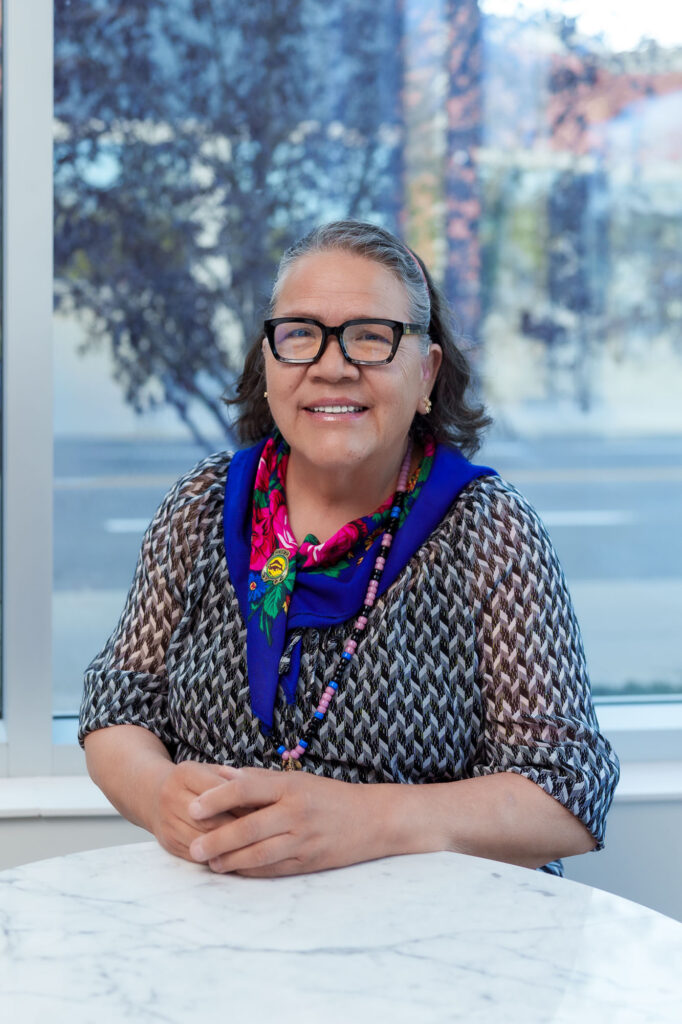
— Photo supplied by Ek-Kanakii Mekaisto
]Dr. Fehr says ART therapy training is typically aimed at psychotherapy professionals, but her background in mental health provided her with an opportunity to take the course.Working out of a small rural clinic, the more resources she can offer patients locally, the better.
“It’s not one of those things that you can do halfway. It’s a big commitment,” she says noting other physicians would require a keen interest in mental health.
“For me, it fits very well as I’m a preventative medicine person who tries to get to the roots.”Dr. Fehr expects interest in the therapy to increase as more people learn how even one session can change lives.
“We’re talking about how you have someone in your life who obviously wasn’t doing great and now, all of a sudden, you see them a month later and their life has totally transformed. We get very curious as to what happened to them.”
As a physician, it was valuable to connect with other health professionals to discuss mental health throughout the course.
Thanks to RhPAP’s funding, Dr. Fehr was able to enroll sooner than expected and begin to help more patients.
“It’s been totally worth it just from the people I’ve seen so far,” she says of the 80 patients who have tried the therapy to date. Dr. Fehr plans to take an advanced ART course this spring with additional funding provided through RhPAP’s Physician Skills Enrichment Grant Program.
She sees ART as being a good fit for rural Albertans such as farmers who may have time restraints or aren’t as open to speaking freely about their challenges.
“The nice thing about ART is it’s much more of a mind-body therapy so there’s not a lot of talking involved….“For rural people who have a lot of trauma, this is, I think, a better fit for them.
“We live in a very traumatic world…and I think people are becoming more aware.”
•••
RhPAP is currently accepting applications for the Physician Skills Enrichment Grant Program starting on or before March 31.