.jpeg)
Post-Secondary
Former RhPAP student award recipients enjoy the benefits of rural practice
RhPAP has kickstarted many medical students’ journeys through the Rural Medical Student Award Program.The one-time $5,000 contribution was set up to assist with rural student tuition, accommodation, living, and/or professional development expenses.
While initially set up for medical students, this year the award has been expanded to support other health professionals through the Rural Healthcare Student Awards. Four medical students and six healthcare students will receive this year’s awards.In this issue, we reconnect with three past recipients to see how their rural practices have taken off since first embarking on their medical careers.
***
Three physicians who received financial support from RhPAP early in their medical careers continue to sing the praises of rural practice and life after their journeys began.Dr. Branden Ayotte, Dr. Julie Saby, and Dr. Curtis Woolf each received a $5,000 award in their first year of medical study through RhPAP’s Rural Medical Student Award Program
.“Everyone is pretty broke going into med school, so that’s certainly helpful,” recalls Dr. Ayotte, who received his award in 2013.
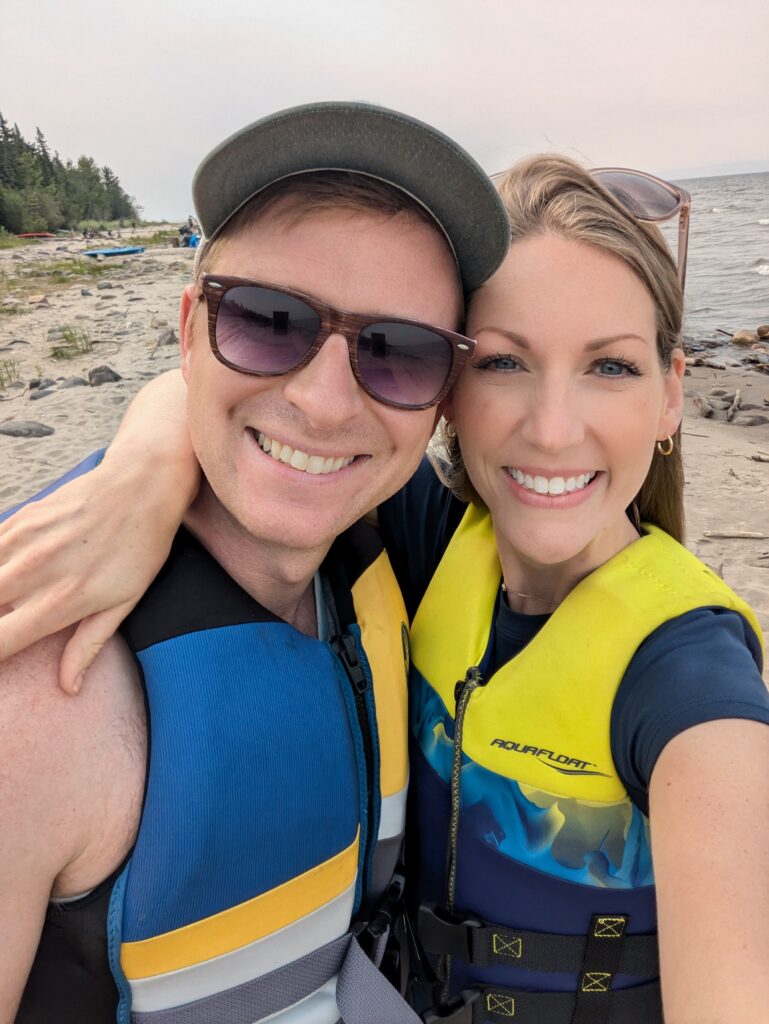
Dr. Ayotte, who is also a clinical lecturer at his alma mater at the University of Alberta, has practised in his home community of Drayton Valley since 2019.
Following in the path of his mentor, Dr. Cody Thomson, he enjoys mentoring medical students, most recently through RhPAP’s Rural Mentorship Program. That program gives learners an opportunity to shadow a rural physician for a few hours in emergency.“Shadowing was so important to me as a student to help me develop the skills that I needed,” says Dr. Ayotte, noting it is a great time to showcase the attributes of rural medicine that he now embraces.
“It’s nice to be near my family, of course, but also just to know the people and to know the patients’ stories beforehand. It goes a long way with patient trust.”
Dr. Curtis Woolf looked at medicine as a second career following a wrist injury. He previously worked as a chiropractor and was inspired by a friend’s father who was an anesthesiologist.
He craved more diversity in his work.“This week I’m in the operating room two days, but I’m working three emergency shifts and an urgent care shift. I like the variety that comes along with the rural side of things,” says Dr. Woolf, who grew up in Olds.
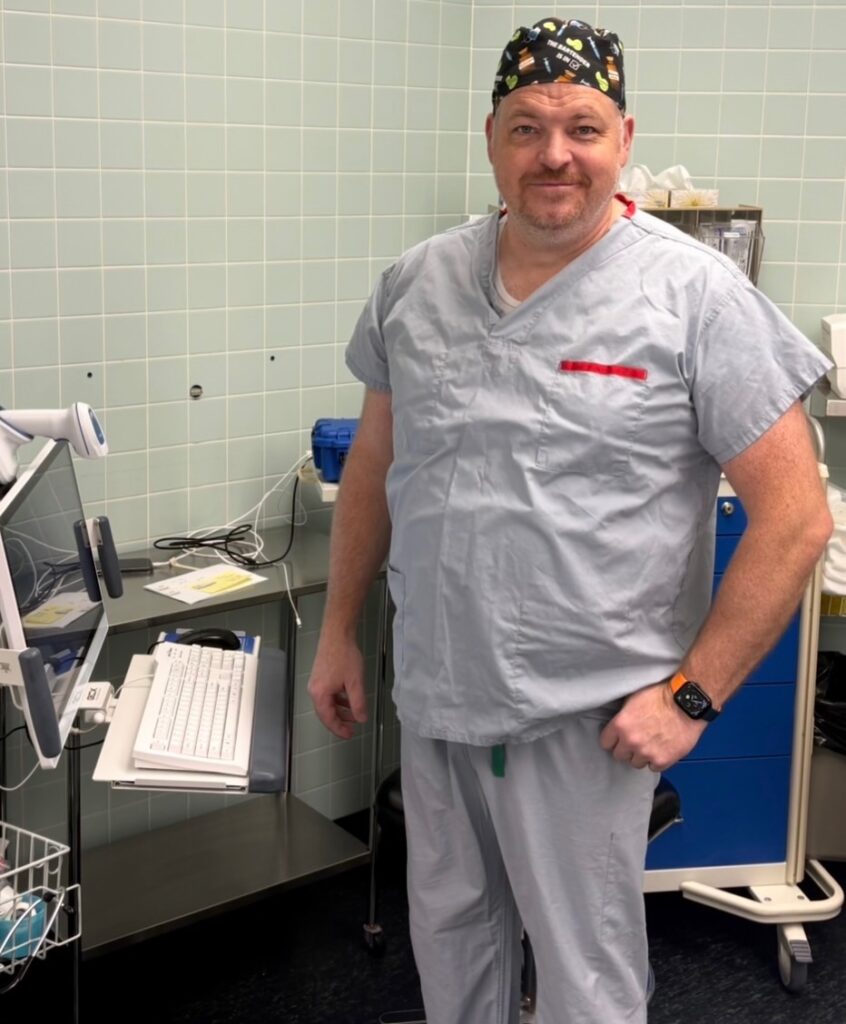
The RhPAP grant came in handy when he expanded his education.“I was trying to do medical school with a wife who was working and four kids, so any bit of money helped,” he says.
While he lived in Edmonton for years, Dr. Woolf is enjoying rural life again around Taber and Southern Alberta.
“Even if somebody doesn’t want to practise rural, (it’s important) to be able to see and experience how rural medicine works so when you’re on the phone with them, you can understand better.
”Having that rural insight is helpful for both sides to better navigate the best path forward for patients," he says.
“We’re already in a stressful environment. You need that camaraderie, where you’re working together and supporting each other.
”The new physician estimates he averaged 27 shifts a month in his first year—a busier schedule than he prefers.However, Dr. Woolf empathizes, so he often takes on extra shifts in rural and remote areas when needed.
“For instance, in High Level … six or seven of us are kind of sharing (shifts), keeping that hospital open from an anesthesia standpoint which is important because there are 800 deliveries a year. If anesthesia wasn’t available, that would be very difficult to do because you don’t have backup for C-sections and procedures like that.
”Strong colleague and community support also drew Dr. Saby to practise as a rural locum, a role which spells off rural physicians who need time off for vacation or other leave ranging from one week to a year.
She has spent time in places such as Edson, Hinton, Innisfail, and recently Inuvik.
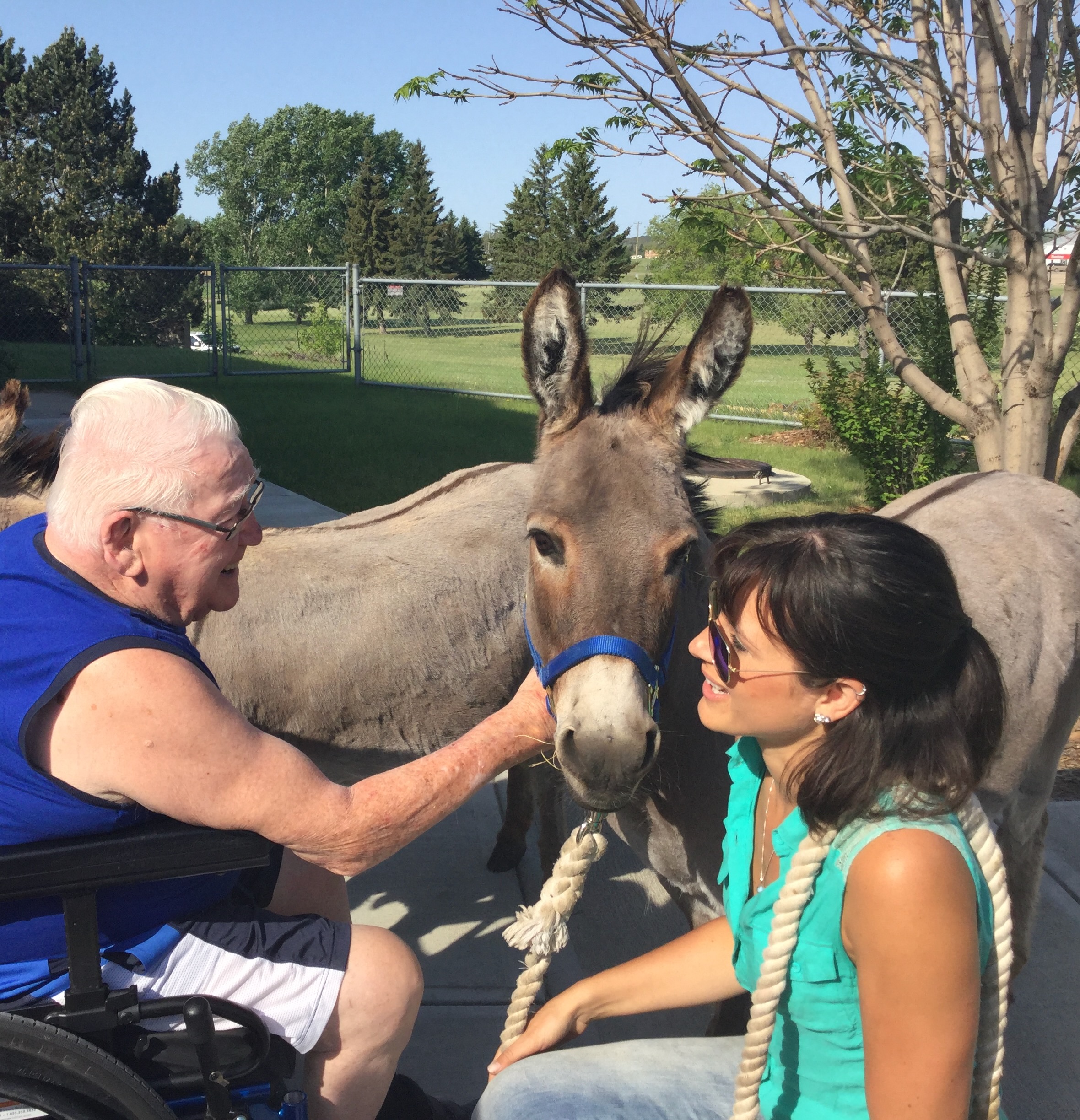
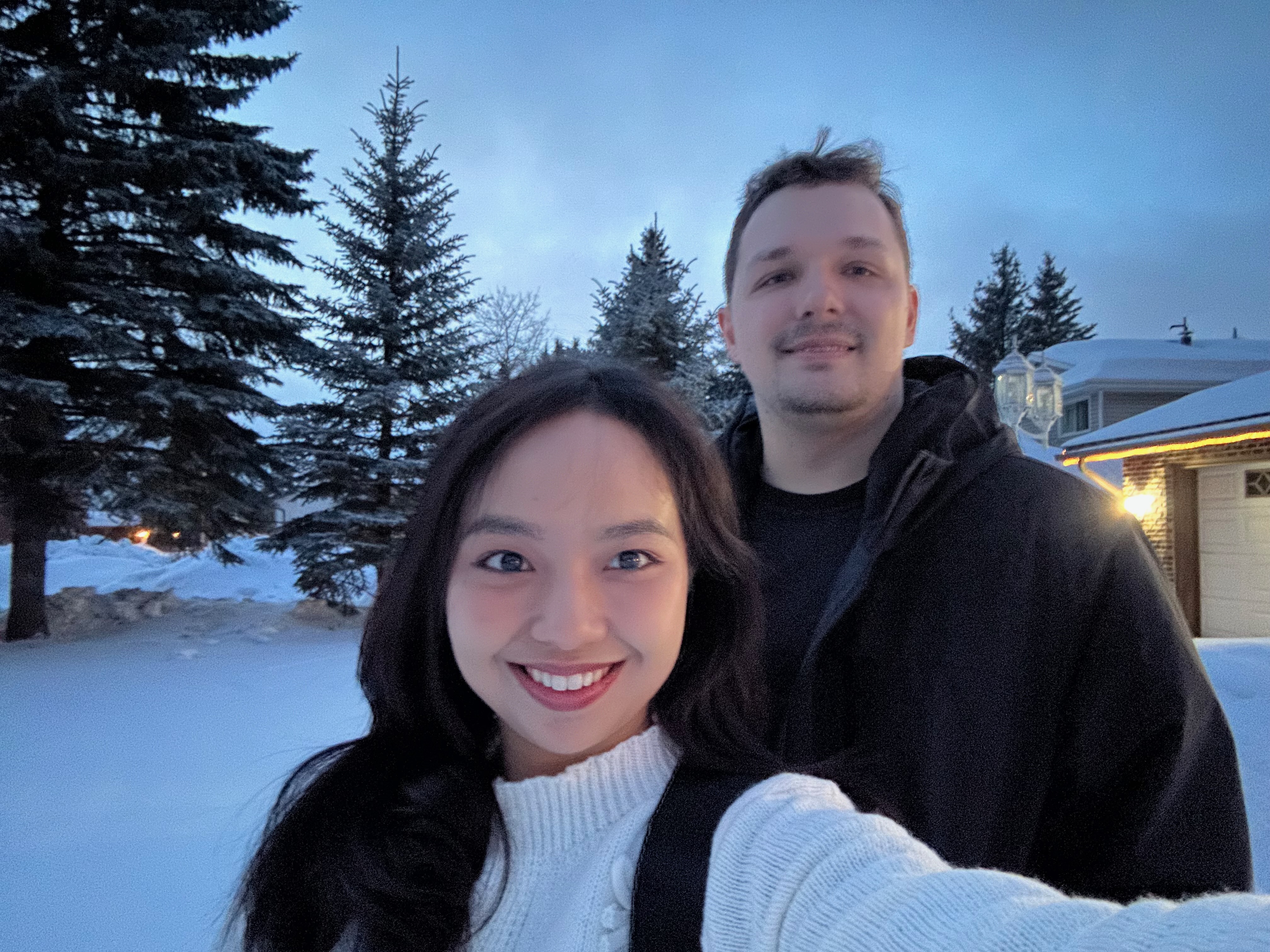
Dr. Saby, who grew up in Sylvan Lake, spent nearly a year in Edson during her third year of medicine with the Rural Integrated Community Clerkship (ICC).
“It makes you a part of the team and you feel valued. When you go back as a resident or as staff, people trust you right away because they’ve worked with you before.”
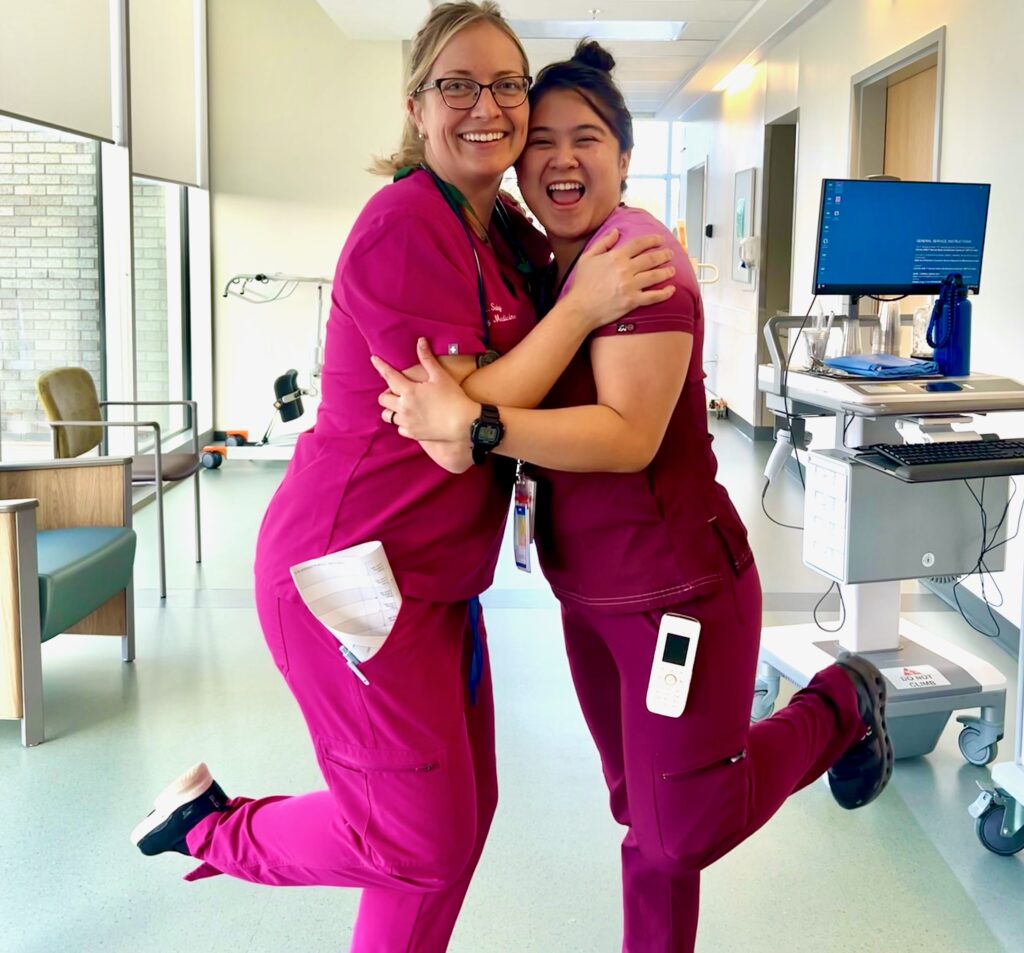
Now, Dr. Saby often teaches ICC students herself.“The advice my preceptor gave me once is always be curious, ask lots of questions, get your hands dirty, and don’t be afraid to try something new….”“ICC really drove me to do rural medicine as I was doing it for 10 months.
“Obviously it worked, because now I keep coming back to Yellowhead County and I’m debating if I want to lay down roots here. If I wouldn’t have done that program, I wouldn’t have known what it’s like.”